Welcome. This website comprises mostly Hilary's sociological papers and articles about patriarchy, (gendered) harmful practices (e.g. female genital mutilation / FGM) and thoughts on science, health, environmental issues, sociological analysis, social policy and good practice.
Will The ‘Girl Summit’ Speed Ending FGM In The UK?
 The Girl Summit in London on 22 July ’14 was an extraordinary event, bringing together various EndFGM and CEFM (child/early/forced marriage) campaigners and top influencers from around the world. The evident positives have however been balanced by caveats from, e.g., Naana Otoo-Oyortey * of FORWARDUK and the participatory development expert Clementine Burnley **. For me too there are issues, not least around where this leaves the stop FGM campaign in the UK.

The Morning Star has today (30 July 2014) published an op-ed which it requested from me about the alleged threat to impose female genital mutilation (FGM) on girls and young women in ISIS-controlled northern Iraq. It is always difficult to write about topics which horrify and anger in equal measure – sadly, there are far too many such global examples right now – but I managed to find some words to articulate what many of us may be feeling about the rumoured mass enforcement of FGM, and to suggest a few positive ways forward.
Schools Must Safeguard Girls From FGM; But How?

Simply Child Safe, a new publication edited by Denise Fergus (mother of murdered toddler James Bulger), addresses current UK child safeguarding issues. As a fellow Liverpudlian I was pleased to be asked to write about child protection and female genital mutilation (FGM) for Issue No 2 of this magazine. My message, at last it seems being heard, remains that mandatory reporting, training for all professionals in regulated activities, and proper channels for concerns, are all critical. Here’s what I wrote:
UK Parliament Home Affairs Committee Report On Female Genital Mutilation (FGM): My Response
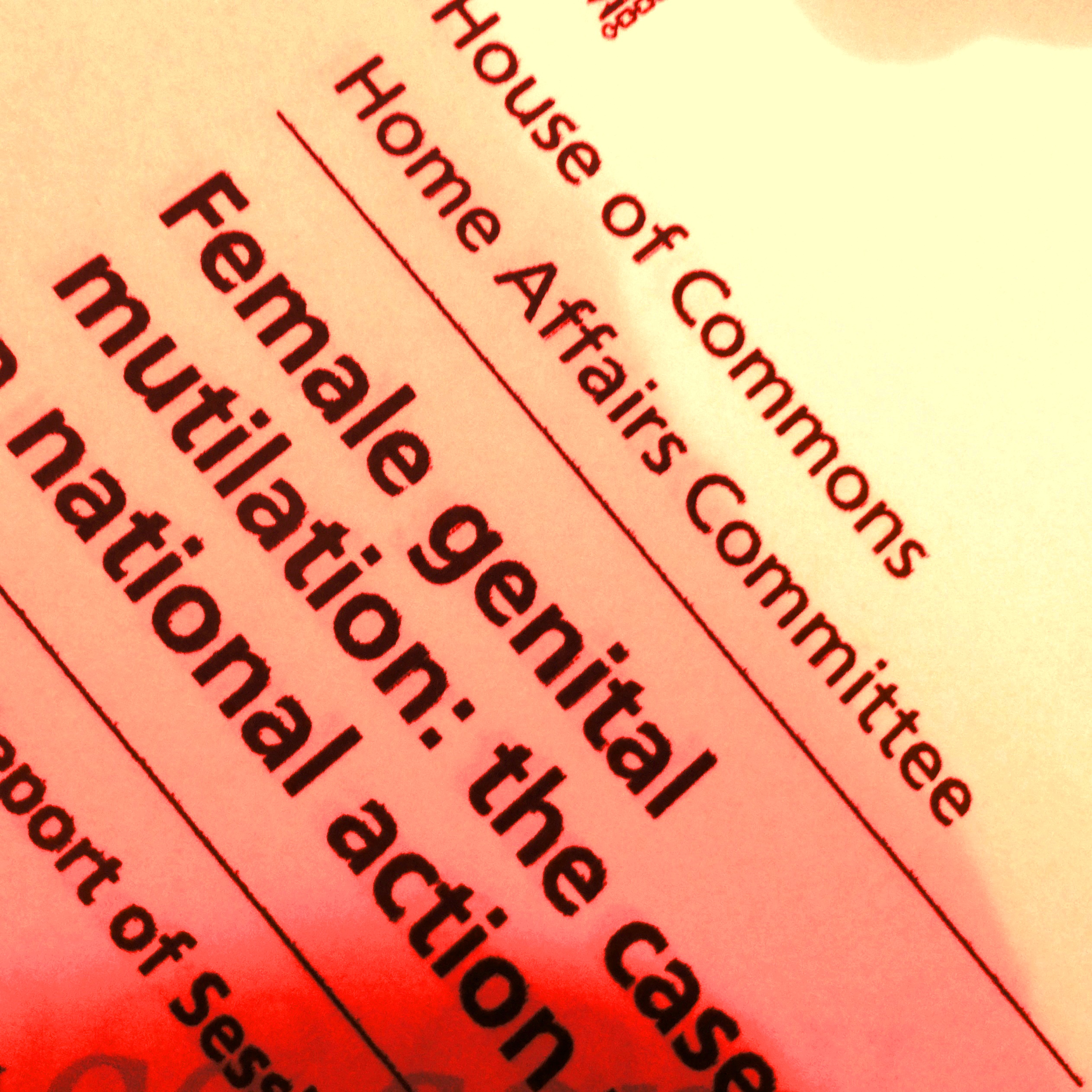 The House of Commons Home Affairs Committee has (3 July 2014) published its report on Female Genital Mutilation: the case for a national action plan. I made a submission to their Inquiry, my views shared largely also by others. The Committee, chaired by Keith Vaz MP, reflects much of what many of us proposed – compulsory PSHE, proper training for concerned practitioners, more support for community activists – but fails to grasp the nettle on finance, mandatory reporting, or the economic costs of FGM.
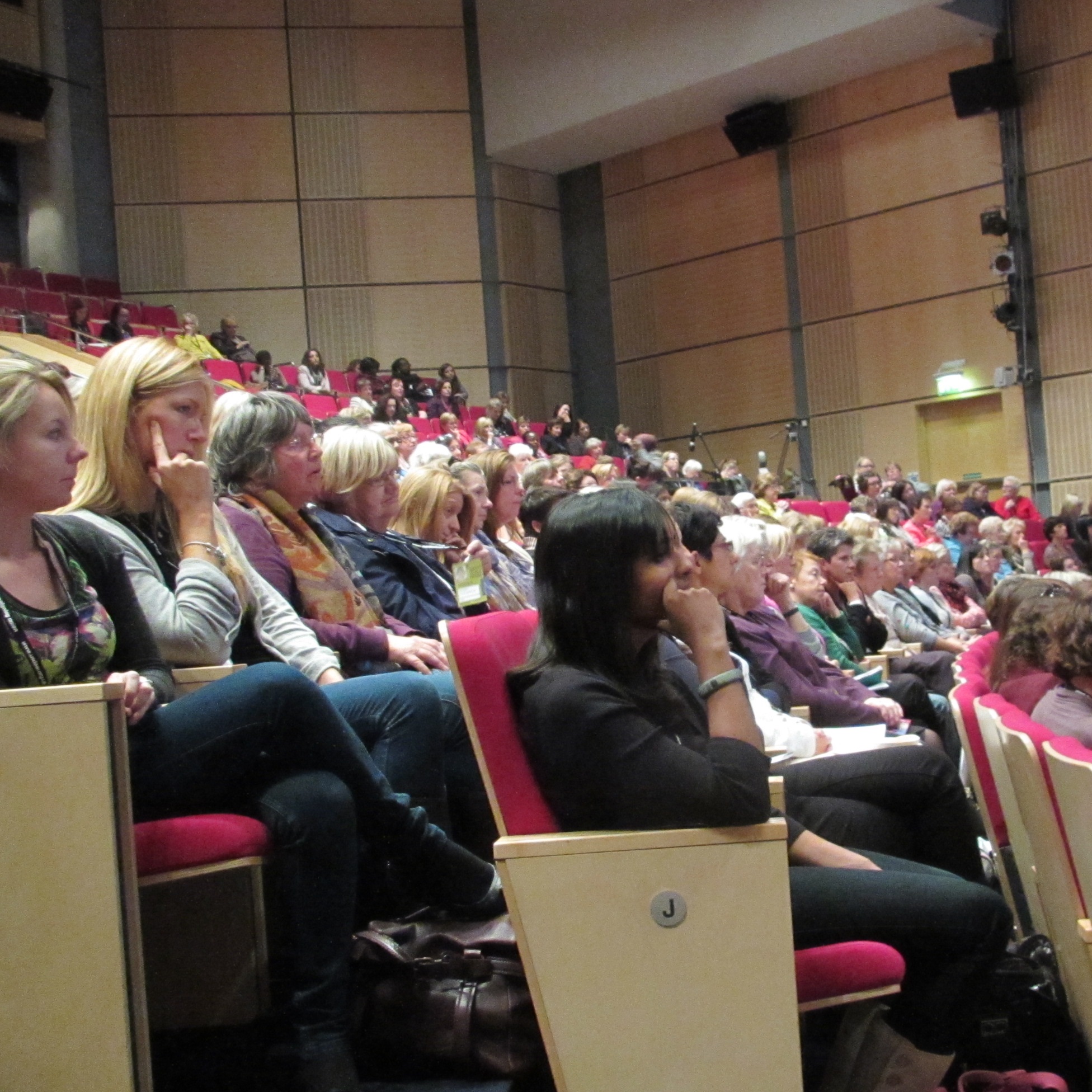 Making FGM History is a free, open event on 22 September ’14*, during the Labour Party Annual Conference in Manchester, to develop genuine dialogue between senior policy influencers and those who fight FGM ‘on the ground’. Keynote speakers/listeners include Sir Keir Starmer QC, Luciana Berger MP, Cllr. Richard Watts (Islington), Cllr. Sue Murphy (Manchester), Cllr Ellie Robinson (Newham), French attorney Linda Weil-Curiel, Dexter Dias QC and GP Dr Phoebe Abe. [*9.15-11.30am, Mechanics Institute]
 There is little for Britain to be proud of about UK responses to female genital mutilation as grounds for asylum. The Home Office clearly sees itself as above scrutiny. In April 2014 I wrote this for the Guardian: How can Britain deport a child at risk of FGM? Theresa May must think again, reporting Afusat Saliu’s terror that her little girls will be mutilated if deported to Nigeria. Subsequent events (e.g. 200+ girls kidnapped by Boko Harem in Nigeria) and UK parliamentary enquiries (below) give even greater cause for concern.
 I was recently invited to submit some thoughts for a paper on Harmful traditional practices in diaspora communities, to be written by Evie Browne of GSDRC for the DfID Aids and Reproductive Health Team. The paper covers female genital mutilation (FGM) and child, early and forced marriage and the ways these harmful traditional practices (HTP) have changed – not always in the same direction, but generally positively – with diaspora movement.
The report, published today (16 May 2014), engages with a useful range of referenced evidence and is nuanced in considering variances over time in behaviour and beliefs in different places.
 The Red Elephant Foundation is a lovely initiative built on the foundations of story-telling, civilian peace-building and activism for gender sensitivity. The initiative’s aims are ‘creating awareness and opening up channels of communication towards creating societies of tolerance, peace-building and equality’.
I was delighted when they contacted me about the work we all do to make FGM history. Here are my answers to their questions…
 I went to the British Sociological Association Annual Conference in Leeds today (24 April 2014) to present my developing ideas around possible correlations between FGM and social class. I suggested that, in the western world, the very act of committing FGM creates the social exclusion (underclass) from which in traditional communities it is intended to provide protection.
Here is a summary of the presentation I made around this proposition:
Islam Channel Television Examines FGM in the UK
 It’s encouraging that the UK campaign against female genital mutilation (FGM) has now become actively embraced by people from many sections of society. Amongst the media to take up this message is Islam Channel Television, which has twice in early 2014 offered Analysis programmes on the subject. With others from varying perspectives I made a contribution to these broadcasts, which are now available to view. The introductory texts and links to these programmes are given below.
UN Rapporteur Rashida Manjoo Visits UK – My Briefing Note On Violence Against Women And Girls
 Rashida Manjoo, Professor of Public Law of the University of Cape Town, and Special Rapporteur for the UN Human Rights Council on Violence against women, its causes and consequences, was in London today to deliver her initial report on findings about (young) women and violence in the United Kingdom. I was invited to submit a short summary briefing on female genital mutilation (FGM) and violence against women and girls for Prof Manjoo’s consideration during her visit. This is what I said:
The Real Economics Of FGM: It’s (Much) More Than ‘Wages’
 What do we know about the economics of FGM, or prospects for girls and young women with FGM in western countries? Probably not much. The REPLACE2 conference (London, 11 April ’14) took the theme ‘Prevention or Prosecution? The behaviour change approach to tackling FGM in the EU‘. I offered a seminar, ‘The Real Economics of FGM’, presentation (and discussion) notes for which are below. My conclusion? FGM may disenfranchise some girls in western societies differently, and it weakens economies at all levels. Time to act.
Let’s Drop The Clichés: Mandatory Reporting And Simple Protocols Are Essential To Prevent FGM And Other Child Abuse
 There are points in any campaign where the emphasis shifts; and that’s where we are now with female genital mutilation (FGM), at least in the UK. In this article, also published in the Huffington Post, I suggest we now need to move to the practicalities of implementing safeguarding and the law; the case against FGM is now firmly made, so clear information for affected communities, along with wider education, straightforward mandatory reporting systems and active enforcement, are the next steps towards making FGM history.
Health Education: The Androcentric Agenda

I originally wrote this post for the International Journal of Health Promotion and Education in 1986, and it was put online in 2014 – the date on which I am now publishing it. To be honest, the core message (that perhaps a majority of Health Education themes are around the overt hazards of men, not the ‘invisible’ ones of women) probably remains valid, in part because there are good reasons to frame some health education around these themes, and also because not many people who teach health education routinely in schools have time to develop material which is not already easily available.
The full text of Health Education: the Androcentric Agenda is below, with a few introductory observations and questions about how we might perceive this topic differently now, from in 1986.
Rational-Emotional ‘Divorce’ In Iran
 International Women’s Day is a good time to report the paper my fellow sociologists in Tehran, Iranian academics Meysam Haddadi Barzoki and Mohhamad Tavakoll, and I have just published (March 2014). Meysam and I liaised on this work via the e-ether for quite a while; through our exchanges I learnt about a society very different from mine. (Iranian women’s fathers become only ‘stepfather’ when their daughters marry.) I hope our paper shines light on some important issues for others too. The abstract, formal link and full text follow:
My Submission To The UK Home Affairs Parliamentary Select Committee Inquiry On Female Genital Mutilation
 The UK Parliament Home Affairs Select Committee is currently conducting an inquiry into the existing legislative framework on female genital mutilation, and the barriers to achieving a successful prosecution. The Chair, Keith Vaz MP, has invited commentary on any aspect of this issue, such as the respective roles of the police, health, education and social care professionals, and the third sector, and ways in which effective action to stop FGM could be achieved. What follows is my personal submission to the Committee.
Ten Reasons Why UK Law On FGM Has Failed – And Ten Ways To Improve It
 I am perplexed by the failure of the Police to investigate the very serious crime of female genital mutilation in much the same way they would, say, for drug offences – going out enthusiastically to find evidence of criminal activity, and then using detectives’ skills to identify the perpetrators. So I asked a group of legal experts to help unravel various of the complexities. This Guardian article (published today, 10 February 2014) by Dexter Dias QC, Felicity Gerry QC and myself, offers some thoughts on the legal challenges.
Here’s the article: 10 reasons why our FGM law has failed – and 10 ways to improve it ….
The Global Economics Of Female Genital Mutilation (FGM)
 There’s very properly a growing moral outcry about FGM as an abuse of fundamental human rights. But that alone won’t eradicate it. It’s ultimately money which motivates most crime, including FGM. Those who promote it may be unaware of the economics of FGM around the world, but, as I argued today in an article (reproduced below) for The Morning Star, campaigners must not ignore this crucial factor. FGM globally is big business, and it surely has big impacts on economies as well as on the bodies and rights of women and girls.
FGM: Zero Tolerance Day in Prague
 Female genital mutilation is now a reality in Western Europe, Australasia and the Americas. But does it also happen in Eastern Europe? Here’s some of a piece I wrote to mark Zero Tolerance to FGM Day for the Prague-based Opinions Post. I fear a few in-coming diasporas to Eastern Europe have brought FGM and other harmful traditional practices with them; and I know we Europeans, all of us, still tolerate other forms of violence against women and girls, whether indigenous, or from places as varied as Somalia and Romania.
The Guardian Newspaper Readers’ Campaign To Eradicate FGM *Globally*
 In January 2014 the Guardian Newspaper is to launch a campaign to eradicate female genital mutilation (FGM). This will include not just reports about what is happening right now, but also asking how FGM can be stopped across the globe within a generation, and what we can all do to make this happen. In preparation for this campaign, the Guardian is inviting people in Britain and around the world to advise on how to abolish the practice forever.

 Hilary Burrage