Welcome. This website comprises mostly Hilary's sociological papers and articles about patriarchy, (gendered) harmful practices (e.g. female genital mutilation / FGM) and thoughts on science, health, environmental issues, sociological analysis, social policy and good practice.
Three Days With Global Woman P.E.A.C.E. Foundation, Washington DC, October 2017: Walk-A-Thon to #EndFGM
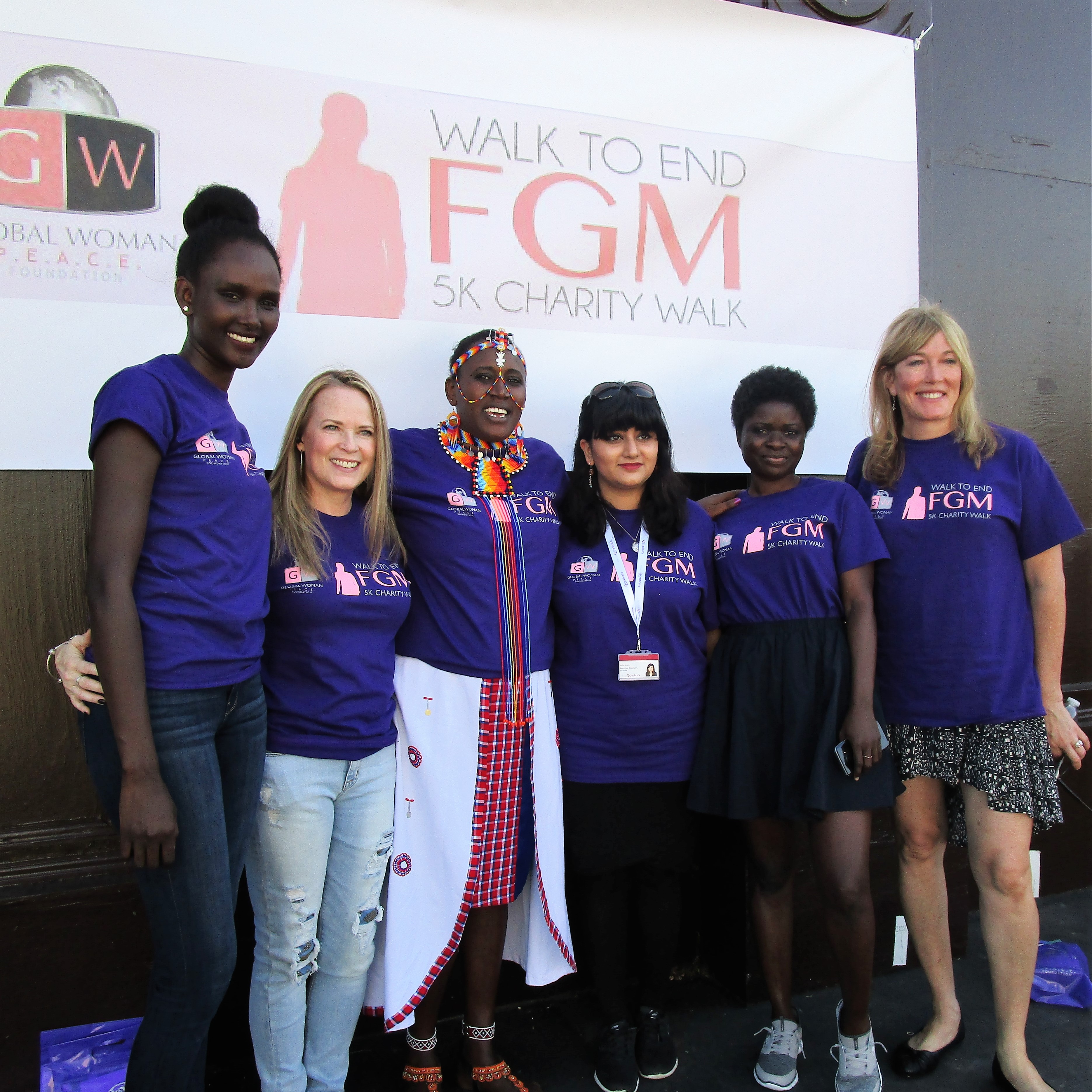 What an experience this visit to Washington DC turned out to be! Angela Peabody, the Founder-Director of Global Woman P.E.A.C.E. Foundation, made us all so warmly welcome as we met again friends and colleagues from different parts of the world, and discussed various issues with some of the leading medical and legal female genital mutilation (FGM) experts in the USA. And we saw the 2017 GWPF nominees receive their awards for outstanding service to end that cruel and harmful traditional practice.
My (post-event) thoughts on what we discussed follow, with a focus on
*Medical ‘vs’ legal understandings
*Male ‘vs’ female circumcision (MGM and FGM) and human rights / bodily integrity
*Patriarchy incarnate, eg FGM and child, early and forced marriage (CEFM)
*Post-traumatic stress disorder (PTSD)
*Data on FGM prevalence
*Surgical and other treatment and support for FGM survivors
*’Market segmentation’ to maximise the impact of #EndFGM programmes.
Letter To The Guardian On FGM And Girls’ Education
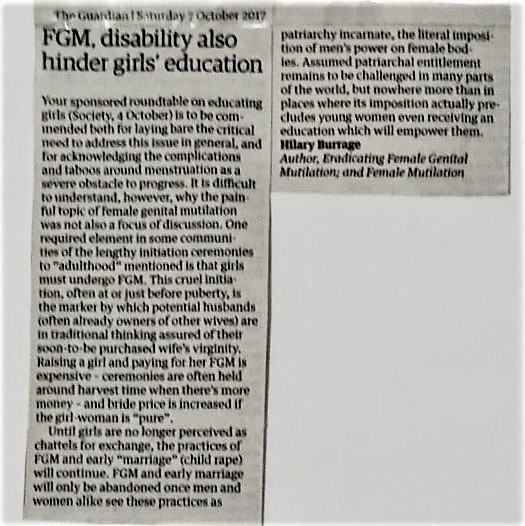
I was pleased to have a letter published today in the main Guardian, and yesterday in Society Guardian, in response to an article of 4 October.
The original piece, supported by Opportunity International UK and entitled ‘Educating girls: the key to tackling poverty‘, was a report on a Guardian Roundtable discussion which considered several obstacles to girls’ education including taboos around menstruation and child marriage, but did not mention FGM.
Here is what I wrote:
Global Woman P.E.A.C.E. Foundation Awardees 2015-2017
 The 2017 Global Woman P.E.A.C.E. Foundation (GWPF) Walk-A-Thon to End FGM is in Washington DC on Saturday 21 October. (Register here.) In 2016 I was thrilled to be made an GWPF Awardee, and in 2017 perhaps more delighted still by an invitation to join the newly established on-going GWPF Awards Committee. It was incredibly difficult to select our nominations in each of the awarding categories, but listed below are those eventually named for 2017, along with the names of 2015 and 2016 Awardees.
 Today I published a piece in the Huffington Post entitled The ‘Cuts’ And ‘Cutting’ – And So Female Genital Mutilation Continues In The UK. The eradication of FGM is critically dependent not only on the skills and leverage of the leading organisations in the field, but also on the goodwill and support of activists in their communities. Often these activists report that their work is not resourced and that they are therefore unable to deliver the #EndFGM message as they would wish – a matter of especial importance when ‘vacation cutting’ is about to start.
 The practice of female genital mutilation in India remains little known – not least because the Bohra community which continues with it insists on silence about what they call ‘Khatna’ (male or female ‘circumcision’) or ‘Khafz’ (explicitly the female version). But slowly this harmful traditional practice, like early ‘marriage’ in wider Indian society, is being exposed; and now some outspoken Bohra women want the international community to support their #EndFGM demands.
British politicians can add considerable weight to this campaign.
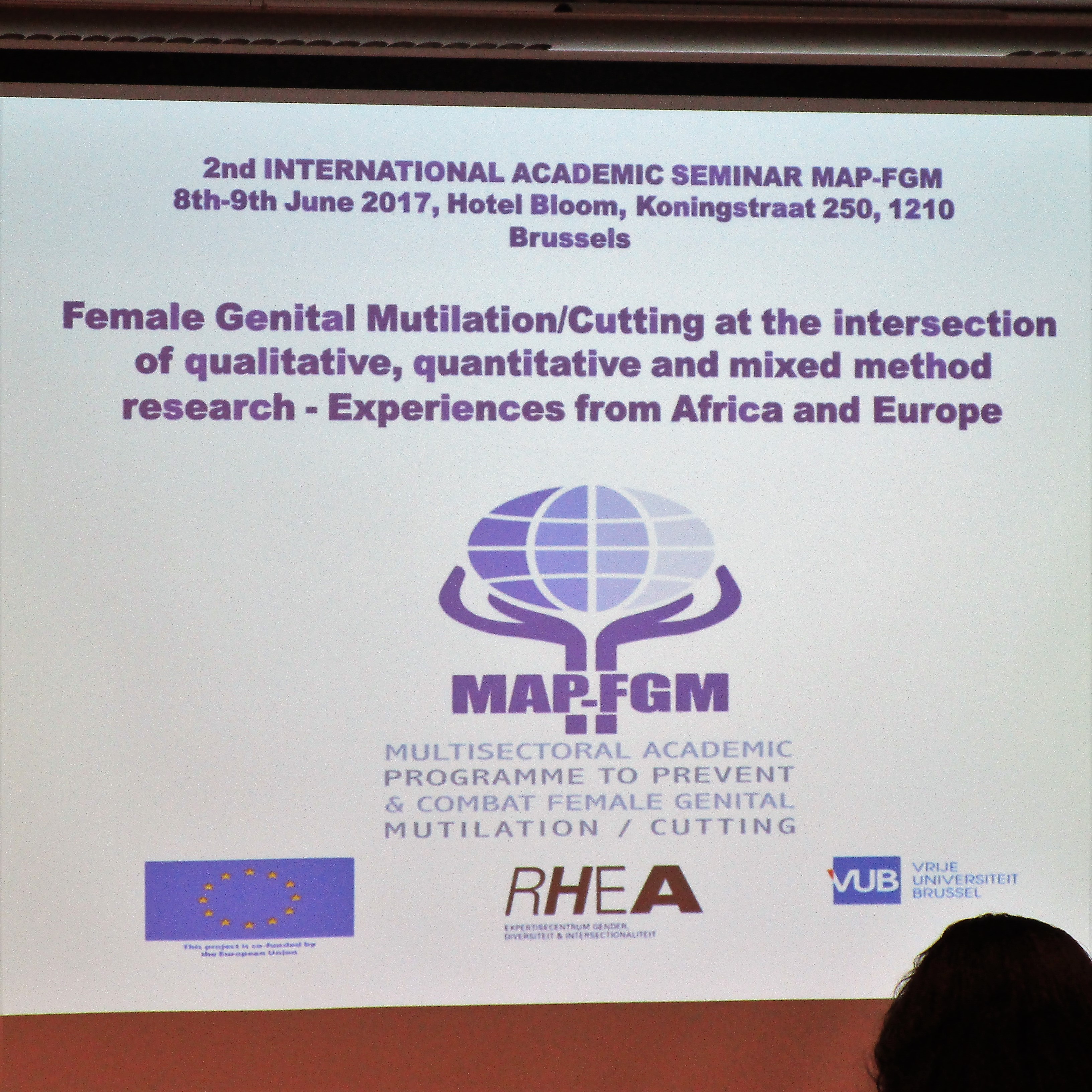 The 2nd International Academic Seminar on FGM was an excellent opportunity to exchange information, meet new colleagues and consolidate old friendships. For these reasons alone attendance was well worthwhile, but for me this two day meeting on 8 and 9 June 2017 also prompted afreshsome considerations around the fundamentals of the challenge to #EndFGM. And so I share below some notes on the FGM knowledge gaps and praxis issues with which I think we are all confronted. Your thoughts on my provisional analysis will be warmly welcomed.
 It was good to be invited today to attend a session of the RinGs (Research in Gender and Ethics: Building stronger health systems) meeting at the Liverpool School of Tropical Medicine. The topic addressed by a diverse panel of experts was Gender and Ethics in Health System Research Policy and Practice. Discussion across a broad spectrum of experience and perspectives set me thinking more deeply about what ‘being ethical’ means in the context of action and research to end female genital mutilation. But I certainly don’t have all the answers….
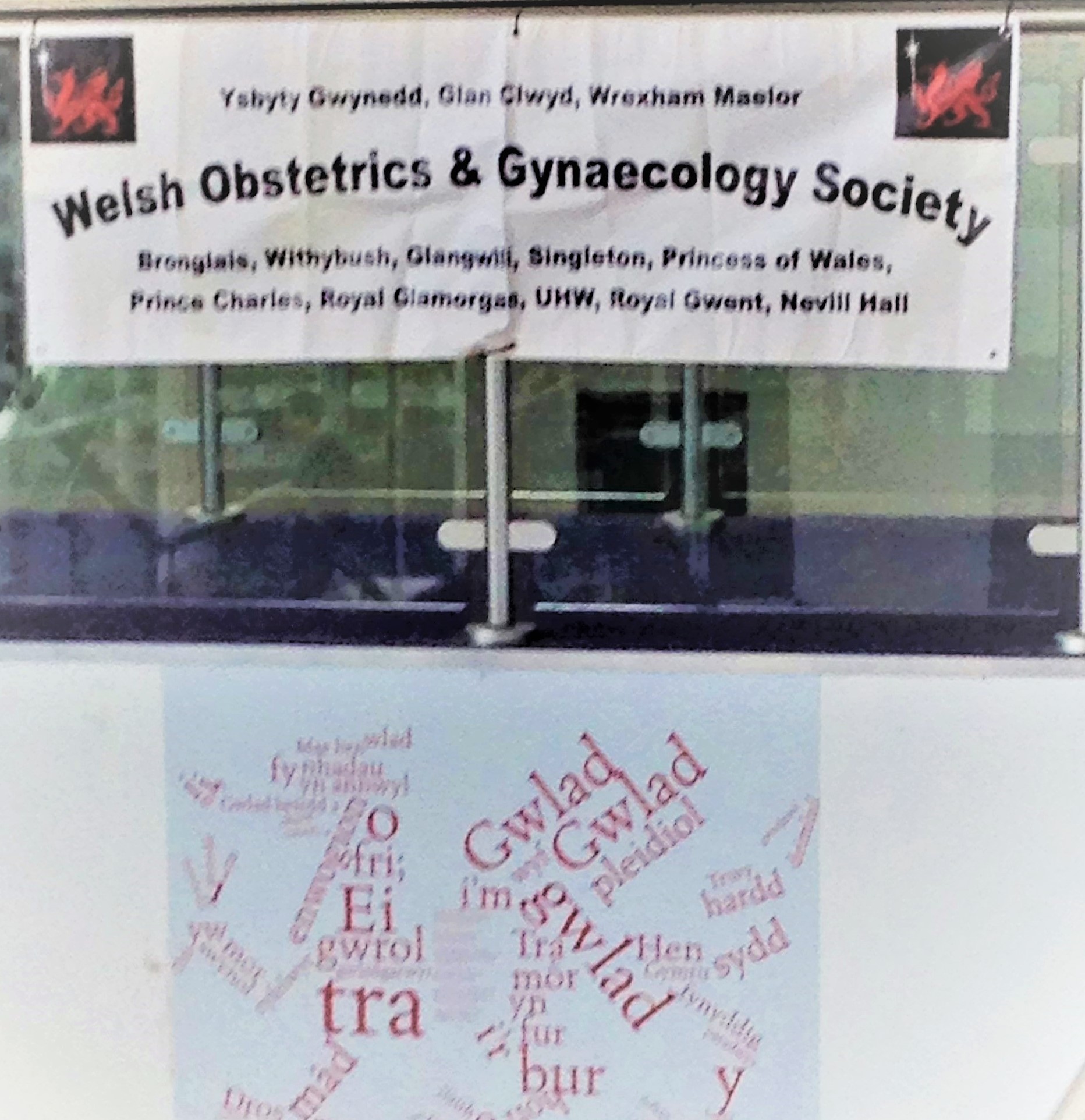 My invitation to speak at the Welsh Obstetrics and Gynaecology Society Meeting in Llandudno today was impetus enough to look again at issues around female genital mutilation (FGM) specifically from the perspectives of clinical medicine. I prepared a one-sheet briefing for those attending. The notes below are an annotated version of the thoughts I shared – ending as ever with a plea for more direct engagement by Public Health and the School Medical Service in support of those clinicians (eg Obs/Gynaes) on the frontline of efforts to end this epidemic of ‘traditional’ criminal harm.
 Just one year ago today my second book on female genital mutilation (FGM) was published. Female Mutilation: The truth behind the horrifying global practice of female genital mutilation offers more than 70 case studies from people in two dozen countries across five continents. Some narrators are FGM survivors, some community activists, and some professionals who bring a particular focus on FGM to their work in medicine, law, education, journalism etc. Their stories differ widely, but all share a determination to make FGM history.
Details of the book and a number of reader reviews follow below:
USA Perspectives And Terminologies Re: Female And Male Genital ‘Mutilation’, ‘Circumcision’ Or ‘Cutting’? Anthr/apology Avoids Difficult Issues
 A question posted on Quora asks: Why does the USA call female circumcision ‘female genital mutilation’ when male circumcision is widespread in the country? Implicit here are also I think a number of other enquiries: are FGM and MGM (male genital mutilation / circumcision) ‘the same’? Is MGM acceptable because it’s still relatively widespread in the USA? And maybe also, what is the correct terminology for these harmful traditional practices? In my view both FGM and MGM are human rights issues which must be confronted and stopped.
Reviews Of Books By Hilary Burrage (and Hilary’s Other Publications)
Eradicating Female Genital Mutilation was launched on 4 November 2015 at The Guardian offices in London (introductory talk here) and both books were presented at a reception hosted by the Norwegian Embassy for the Inter-African Committee FGM Conference at the United Nations in Geneva, on 10 May 2016.
REVIEWS of ERADICATING FEMALE GENITAL MUTILATION: A UK Perspective
 >Hilary Burrage has written the most definitive book ever on FGM. An invaluable tool to help eradicate it worldwide. A personal triumph. (The Guardian)
> Eradicating Female Genital Mutilation provides an insightful and thorough discussion of the problems facing women in the UK who have encountered female genital mutilation (FGM), and is an excellent book. The book is divided into 12 chapters covering demography, perceptions and beliefs, power, clinical issues including mandatory reporting, legislation and governance, prevention and politics. The book is fully referenced throughout. … . This is a book that makes one consider the issues surrounding FGM and the challenges facing health professionals. [It] is an interesting and very readable book, which provides background and insight, and which would be suitable for anyone interested in this topic, health professionals working within sexual health, and anyone involved in teaching this topical and emotive subject. (Su Everett, BMJ Sexual and Reproductive Health)
… Outraged at ineffective child protection, Burrage provides a comprehensive, scholarly yet accessible guide – the first ethically correct textbook in the world about FGM and among the best ever – to professionals and all people of conscience. (Tobe Levin von Gleichen, Harvard and Oxford Universities)
…. The book provides many references, a website to work with on enhancing the reader’s knowledge, and a list of organisations working on this issue… [and] provides social workers, as well as social policy makers, researchers and activists, with a wide comparative canvass, facts, and an honest discussion of the likelihood of eradication of FGM in the near future, demonstrating the author’s understanding and analysis of the considerable obstacles needed to be confronted, if we are to achieve this very necessary objective. (Shulamit Ramon, International Federation of Social Workers)
The best book ever written about the sensitive subject of FGM : Amazon.com ***** (Sayydah Garrett, Pastoralist Child Foundation
Essential insights on female genital mutilation … Sociologist Hilary Burrage’s intention is “to start a wider conversation about FGM and the challenges it produces” and in this book she succeeds admirably… FGM is a “deeply disturbing form of child abuse” with detrimental life-changing consequences that need to be tackled in a manner that is as vigorous as it is cognisant of its social and cultural complexity. Burrage, who adheres to a feminist understanding of FGM, proposes a no-nonsense 15-point plan that ranges from closing existing legal loopholes to mandatory reporting of cases, from tackling terminology to remedying the present haphazard child-protection provision… Engagingly written and packed with information, this book is a must-read. (Michal Boncza, Morning Star)
REVIEWS of FEMALE MUTILATION: The truth behind the horrifying global practice of female genital mutilation:
 > This is the essential companion volume to Hilary Burrage’s ‘Eradicating Female Mutilation’. While the latter provides a broad and deep perspective on the practice of FGM, this book gives space for the voices of victims and practitioners in the field. The author is to be commended for bringing together such a wide range of personal narratives… to consign a vile abuse of women to the dustbin of history. You will not fail to be engaged… by these accounts, even though some are harrowing. “Female Mutilation’ is a landmark contribution to the literature on FGM.:
Amazon ***** (Ron Stewart and another reader)
~ ~ ~ ~ ~
Books by Hilary Burrage on female genital mutilation
https://orcid.org/0000-0002-6684-2740
Eradicating Female Genital Mutilation: A UK Perspective (Hilary Burrage, Ashgate / Routledge 2015).
Full contents and reviews HERE.
FEMALE MUTILATION: The truth behind the horrifying global practice of female genital mutilation (Hilary Burrage, New Holland Publishers 2016).
Full contents and reviews HERE.and
Contributed chapters on FGM to three other books:
International Handbook of Women’s Sexual and Reproductive Health (Chapter 33: ‘FGM and Genital Surgeries’, Routledge, October 2019).
In the Name of Tradition (Kameel Ahmady, UnCut/Voices Press, 2016)
House with Open Door (Kameel Ahmady, Mehri Publications, 2020)
For a full list of Hilary’s books, chapters and papers see here.

The ‘Cutting Season’: To End FGM (And Other Violence Against Women) We Need The Men On-Side
 It’s obvious that ending violence against women and girls requires the involvement of us all, men and women alike.
This is a piece on the subject which I’ve just published in Huffington Post, reminding readers that December has seen both the annual #16Days global initiative against gendered violence and, tragically, also in some parts of the world the end-of-year female genital mutilation (FGM) ‘cutting season’.
Many men, like the torchbearers mentioned below, are already committed to making this harm history, but there’s still a way to go…
First U.S. FGM Summit, Washington DC, December 1st and 2nd, 2016
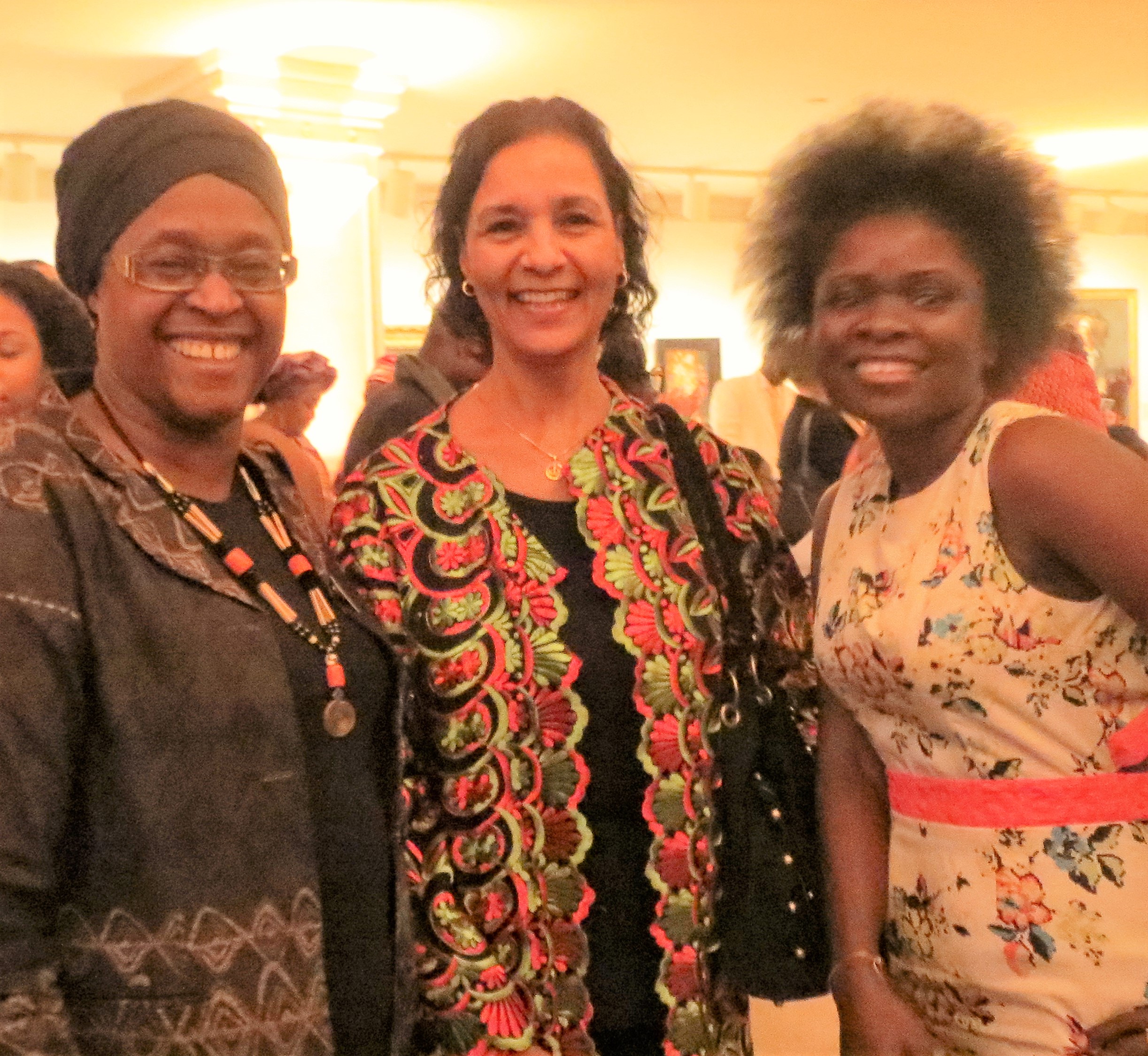 The FGM Summit in Washington DC was held over the first two days of December 2016, providing for the first time in the USA an opportunity for leading activists and strategists against female genital mutilation from across the world to meet and consider both progress and remaining challenges. I was pleased to be amongst those attending. Good practice was interrogated and friendships and collaborations consolidated, as we pondered both the commonalities which FGM presents, and the very different ways in which, variously, eradication is approached.
The Third ‘E’ Of Eradicating Female Genital Mutilation: Enforcement (And The Role Of Public Health?)
 I was delighted to be invited to talk at the Launch of the Greater Manchester FGM Strategy today (1 December ’16). Most unfortunately however, the fates intervened and I’ve found myself travelling to Washington DC for the global FGM Summit the self-same day. But, my talk already written, here it is. Particularly, I wanted to raise some issues around supporting those in regulated activity who must report FGM, FGM restoration and repair, leadership and accountability, human rights, a single national FGM reporting route … and Public Health.
White Ribbon Day, And What We Can Learn From Men Who Challenge FGM
 It’s White Ribbon Day, when the focus is on male violence against women and girls. In the words of White Ribbon UK :
‘This is not and never has been a “women’s issue”… We address men directly – so they understand the scale of the problem, and become part of the solution, alongside women.’
I’ve been invited to speak in support of White Ribbon day at the SE Region TUC Women’s Rights Committee event at Congress House. Here’s what I shall say:
The On-Going Issue Of Female Genital Cosmetic Surgery
 The incidence of female genital cosmetic surgery (FGCS, sometimes referred to as labiaplasty, although this is not the only procedure) is thought to be increasing, and this type of surgery continues to cause concern. Is it in fact licensed female genital mutilation (FGM), as some allege – in which case it is illegal? And is it ever permissible in juveniles? Is it hypocritical and ‘racially’ biased?What follows is my small contribution to the debate which continues in the British Medical Journal (BMJ) and elsewhere in the legal and medical literature.
Eradicating Female Genital Mutilation: A UK Perspective – One Year On (Contents And Reviews)
 My first book, Eradicating Female Genital Mutilation: A UK Perspective (Ashgate/Routledge, Oct. 2015) was published one year ago today. It was at last available in bookshops and on the websites for all to access and read.
For the past half decade I had been trying to understand, and compose text to explain, the massive complexities of FGM and the many efforts to make it history in different parts of the world.
I am thrilled now to have received such encouraging reviews and a global award for my books, and I hope my work will help as we all strive to #EndFGM.
Here are some details of my book’s contents and (below) of those reviews:
Read more…
FGM Must Be Termed Female Genital MUTILATION In Formal Contexts
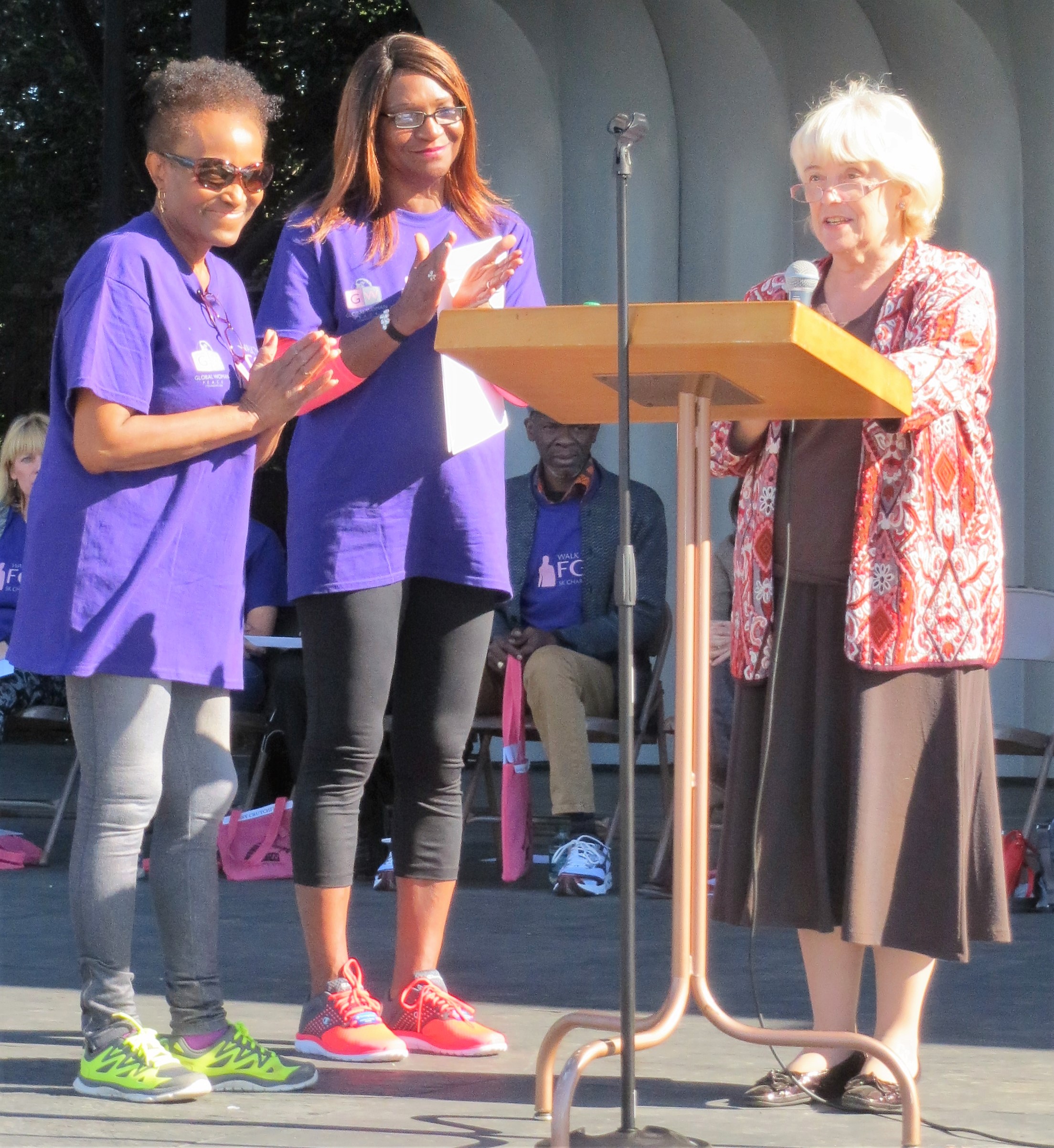 The Global Woman P.E.A.C.E. Walk-A-Thon to End FGM, in Washington DC on 15 October 2016, brought together many activists from around the world – an exciting and truly inspiring experience, which I describe in more detail here.
I was privileged to attend the event as an Awardee (for my books) and I took the opportunity to deliver a very simple message: If we are serious about eradicating FGM we will call is as it is, Female Genital Mutilation. Here is the text of my brief address:
The End FGM Walk-A-Thon, 15 October 2016, Washington DC
 The third Global Woman P.E.A.C.E. Foundation Walk to End FGM, in Washington DC on 15 October 2016 – a beautifully sunny Saturday afternoon – brought together people from around the world, some of us already friends, others long-time connections meeting face-to-face for the first time, and others quickly to become new friends. For all this and much more we must thank Angela Peabody, the inspiration and mover behind the scenes of this globally significant and very special event.
My Books Event With Blackwells At Labour Party Annual Conference
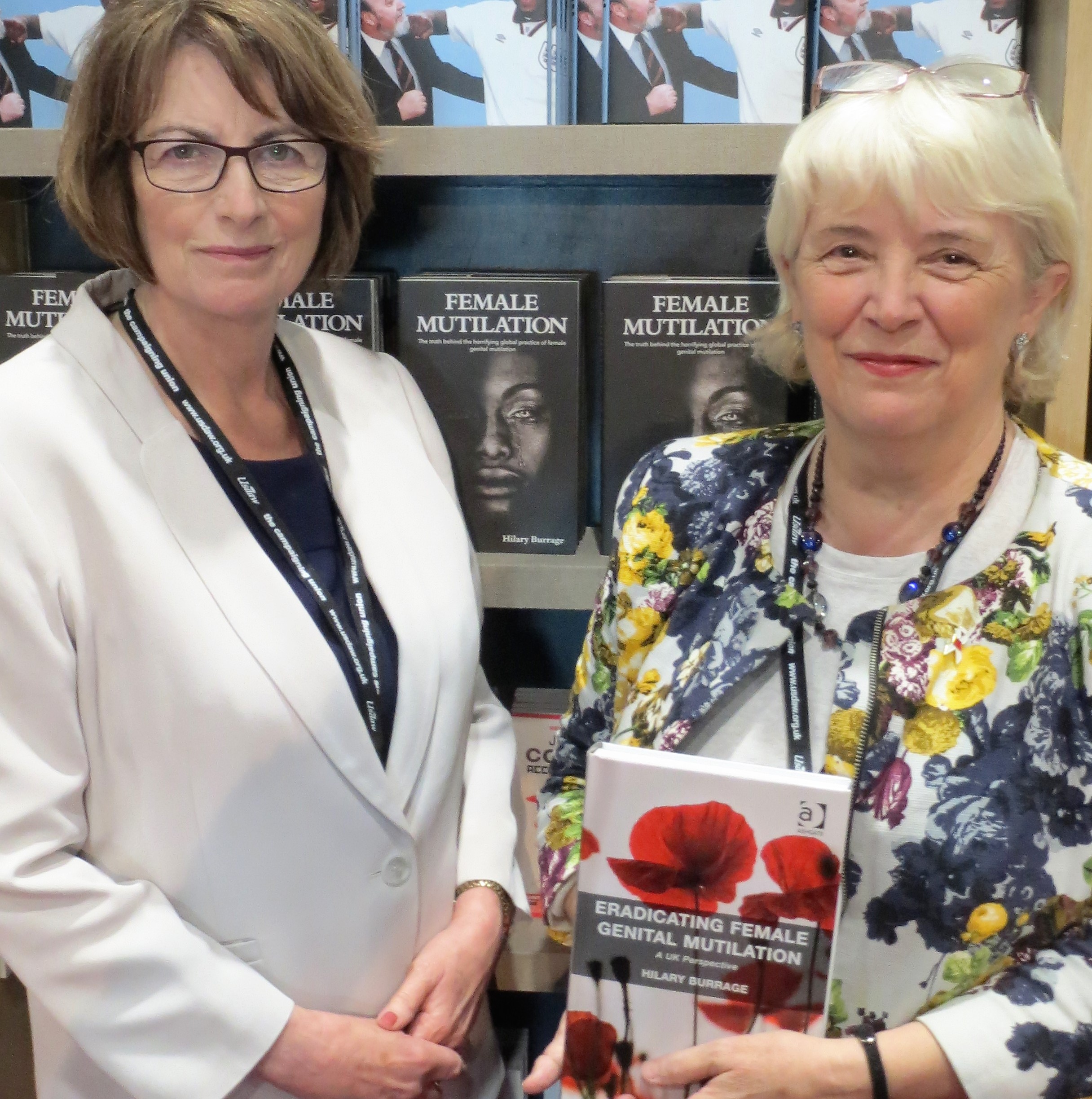 As on previous occasions, Blackwells had a bookstall at the Labour Party Annual Conference, this year in Liverpool. It was good to join them for a book-signing session today, and the event gave me an opportunity to talk with a lot of people about issues around FGM (there are still many who are rather vague about how to respond). Amongst those who later joined me for a chat were my own MP, Louise Ellman, Luciana Berger MP and Theresa Griffin MEP, plus David Bartlett, the CEO of White Ribbon UK.

 Hilary Burrage