Seasonal Flu, RSV And Covid: UK Vaccination Rates Plummet, Including For Health Workers, Whilst Emergencies Rise
UK hospital admissions for flu, RSV, norovirus, and COVID surged at the end of 2024, with 4,469 daily flu patients in England. Vaccination rates have plummeted: 33% of pregnant women, 37% of at-risk groups, and 73% of over-65s got flu shots; frontline health workers dropped from 76.8% in 2020-21 to 42.8% in 2023-24. Reasons include low risk perception, safety concerns, and mistrust; officials urge eligible groups, especially HCWs, to vaccinate amid the NHS crisis. But one critical question persists: why are some health professionals, who have seen first hand the devastation these infections can inflict, still vaccine averse?
You can read this website in the language of your choice via Google Translate.
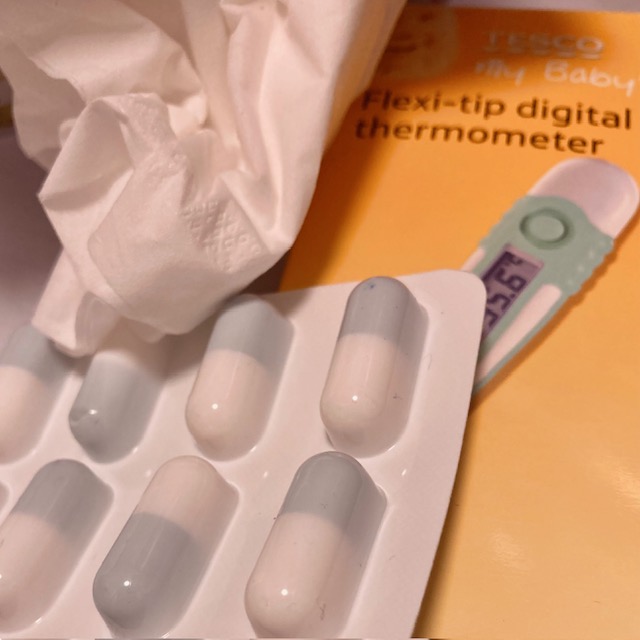 Reports show that flu, respiratory syncytial virus (RSV) and viruses such as norovirus – as well as continuing cases of Covid – are impacting seriously on hospital admissions as of the last week of 2024 and the start of 2025. Figures from NHS England have revealed there was an average of 4,469 flu patients in hospital in England every day in the last week of December 2024. I wrote a short piece about this issue for the (free subscription) January 2025 Newsletter of the Institute of Health Promotion and Education, of which I am a Trustee….
My IHPE blog is below, followed by some thoughts on the striking drop in vaccination rates also of clinicians and other health care workers.
The 2024-5 viral infection rate is higher than in 2022-23, which had 14,500 excess deaths, following the restricted (and lower rates) of social mixing of the Covid period. Most people can recover well from these viral infections, but they are more dangerous for children, pregnant women, those with compromised immunity and the elderly.
Vaccinations, available for all these illnesses apart from norovirus, are however at a relatively low uptake; but while the national vaccination booking system has now closed, those eligible can still get protected by visiting a COVID-19 walk-in vaccination site or finding a pharmacy offering the flu vaccine for free, if eligible, or for a small fee. The Health Security Agency is urging those eligible, particularly health and social care workers, to have a free flu vaccine. [But see also below.]
Some 33% of pregnant women, 37% of people in an at-risk group and 73% of over-65s have had the jab, according to the latest flu vaccination figures.
So we are left with a question: why do so many of those most at risk ignore advice to be vaccinated? Do they simply not understand the relative risks of immunisation versus illness? Are they secretly scared of injections? Have they been exposed to myths about the dangers of vaccination? Are they unaware of the way viral infections are ‘clogging up’ the health service? Or is there a feeling simply that people have had enough of immunisations, after Covid and the constant instructions about what to do?
Whatever, the reality is that the weather is going to be very cold and inclement for some weeks yet, many buildings – especially schools – have desperately poor ventilation, and the need for strict hygiene measures to reduce infections is frequently overlooked. Public health interventions, as ever, are critical and urgent. The NHS is doing its best with media ‘news’ reports, but there is a need too to increase public understandings of the risks and how they can be managed by each of us, everyone in the community.
~ ~ ~ ~ ~
Vaccination acceptance by health care workers themselves
Some further observations – not in the original IHPE blog – about UK health care worker (HCW) uptake of vaccinations, particularly Covid-19 and flu:
UK Health Security Agency data shows that in 2002-3 14% of frontline HCWs were vaccinated against flu. The rate rose to 76.8% in 2020-1, but had fallen back to 42.8% in 2023-4.
(By contrast, in 2023-4 the UK take up of Covid vaccination by people 65 and over was approximately 70%.)
This HSA data report tells us that
Approximately 56.9% (680,677) of frontline HCWs in direct contact with patients in organisations responding to the survey did not receive the influenza vaccine this (2023-4) season. This is the third consecutive season to show a decrease in the vaccination of frontline HCWs, and uptake is lower than that observed in the previous 12 seasons (the 2010 to 2011 season saw an uptake of 34.7% and the 2011 to 2012 season saw an uptake of 44.6%)… Seasonal influenza vaccine uptake by trust type ranged from 23.2% for staff in independent sector health care providers (ISHCP) compared with 61.8% in those working in GP practices….The highest vaccine uptake in NHS trusts by staff group was 48.7% in all doctors. The lowest vaccine uptake was 38.2% in total support staff. In GP practices, the highest vaccine uptake was 68.8% in all nurses, and the lowest uptake was 59.0% in total support staff .
Other research, reported in BMJ Health Care, considers the impact of HCW advice to clinically vulnerable patients for whom they have care:
Access was not the primary issue underlying suboptimal vaccine uptake among participants in clinical risk groups, who instead cited low-risk perceptions of influenza infection and deficits of information about the relevance of vaccination for their condition management. Healthcare providers in non-primary care settings rarely discussed or recommended influenza vaccination across patient pathways, despite being able to address the concerns raised by participants in clinical risk groups…. the commissioning and organisation of chronic disease management shapes how clinical risk groups interface with primary/secondary tiers of healthcare services. Embedding vaccine delivery in non-primary care settings may help to reduce inequalities and offer patients at risk the information and consent pathways they desire but is not a cost-neutral innovation and requires resource allocation.
Nonetheless, resource allocation or not, the reality that many HCWs do not themselves receive vaccination must surely to a degree influence the take-up by staff of opportunities for their patients to be protected.
The Care Quality Commission states in respect of GP practices that protection of staff is an important aspect of good practice:
GP practices must ensure that staff receive the immunisations that are appropriate for their role. Immunising healthcare staff is necessary to:
*protect them and their family
*protect patients and people using the service, particularly people in more vulnerable circumstances and those who are immunosuppressed
*protect other healthcare staff
*enable services to run without disruption
.. and in addition to a number of essential protections for GP frontline staff, the CQC requires that
GP practices should also offer the annual influenza vaccine to staff, as well as encouraging all staff to have any of the approved COVID-19 vaccines in line with the latest government guidance…. We consider these Regulations when we review if the practice is safe, effective, responsive, caring and well led.
Likewise, NHS England states that for 2024-5
Both the flu and COVID-19 vaccines should be offered to all eligible frontline health and social care professionals, including clinical and non-clinical staff who have direct contact with patients, ahead of winter.
But does this actually happen? Herein lies a stark issue, perhaps largely as yet unaddressed. Why do so many HCWs not themselves take up protections? Is this in some way related to the need for ‘resource allocation’ (no doubt a factor for the previous Government) as referred to above – even though inevitably staff sickness increases costs considerably? Or is resistance partly, as suggested by a November 2024 report in the General Practice journal Pulse, because of rather chaotic recent advice about who in health care settings was eligible?
Or maybe resistance is the result of some sort of nonchalance, perhaps bravado or perceived ‘insider knowledge’ of risk, or what? This international study of nurses offers some clues:
The major reasons for vaccine refusal were: concerns about COVID-19 vaccine efficacy, safety/speedy approvals, effectiveness, and side effects; mistrust in government/authorities, pharmaceutical companies, and science or experts; misinformation or lack of knowledge about vaccines; and a belief that COVID-19 is a mild disease or does not exist. In contrast, the major factors associated with COVID-19 vaccine acceptance in nurses were: male gender; older age; and history of flu or other vaccinations. Additional factors were higher education/knowledge or work experience; higher perceived risk of getting infected or becoming seriously ill with COVID-19, having chronic diseases; and caring for COVID-19 patients or having greater contact with such patients
Another LSHTM study, in 2021 when uptake was higher, of about 2,000 British health and social care workers (1658 healthcare workers and 261 social care workers) found that
Amongst unvaccinated participants, worrying concerns were raised about how their vaccination decision might impact their job security. For social care workers, pressure was exacerbated by hearing of care sector employers making COVID-19 vaccination mandatory for staff, and the vulnerability of social care worker positions (e.g. employment on zero-hours contracts).
Feeling pressurised had damaging effects, eroding trust and negatively affecting relationships at work, and often exacerbated COVID-19 vaccination concerns and hardened stances on declining vaccination.
The study also identified structural barriers to vaccination uptake: Black African and Mixed Black African workers were not offered vaccination at the same rates as White British and White Irish participants (8.9% not offered as compared to 5.5%) ……
Participants who indicated stronger agreement with the statement ‘I would recommend my organisation as a place to work’ were more likely to have been offered COVID-19 vaccination. COVID-19 vaccination uptake was high amongst the survey participants, with 93.9% of health care workers and 90.0% of social care workers accepting the vaccination when offered.
Black African and Mixed Black African staff were almost twice as likely to decline a COVID-19 vaccine as White British and White Irish participants (9.5% and 5.1% respectively), citing reasons including concerns about a lack of research on COVID-19 vaccines and distrust in the vaccines, healthcare providers, and policymakers.
The survey revealed common reasons for declining the vaccine were concerns about side-effects and a lack of research on the vaccine. It revealed the main motivation for vaccine acceptance was protecting family members and friends, and self-protection from COVID-19.
The LSHTM authors concluded that health and social care work employers are in a pivotal position to facilitate COVID-19 vaccination access, by ensuring staff are aware of how to get vaccinated and promoting a workplace environment in which vaccination decisions are informed and voluntary. They recommend that vaccination messages be tailored carefully to meet the concerns of different groups of care workers.
NHS under pressure
So, hospital admissions for preventable viral infections at the turn of 2024-5 are increasing significantly, whilst vaccination across both the general population and HCWs has fallen from previous years by quite a margin. That the NHS is ‘in crisis‘ at least in part as a result of this is surely important.
Whatever, it seems that the message about vaccination must be promoted within the health care professions as much as with patients. The NHS certainly doesn’t need any more stressors – preventably unwell staff, unnecessary infection of patients, etc – than are absolutely unavoidable.
~ ~ ~ ~ ~
Your Comments on this topic are welcome.
Please post them in the Reply box which follows these announcements…..
~ ~ ~ ~ ~
Books by Hilary Burrage on female genital mutilation
https://orcid.org/0000-0002-6684-2740

A free internet version of the book Female Mutilation is available here. It is hoped that putting these many global narrations onto the internet will enable people to read them in whatever language they choose.
Hilary has published widely and has contributed two chapters to Routledge International Handbooks:
Female Genital Mutilation and Genital Surgeries: Ch. 33,
in Routledge International Handbook of Women’s Sexual and Reproductive Health (2019),
eds Jane M. Ussher, Joan C. Chrisler, Janette Perz
and
FGM Studies: Economics, Public Health, and Societal Well-Being: Ch. 12,
in The Routledge International Handbook on Harmful Cultural Practices (2023),
eds Maria Jaschok, U. H. Ruhina Jesmin, Tobe Levin von Gleichen, Comfort Momoh

 Hilary Burrage
It’s no great surprise that the older age group vaccinates more, the knowledge of our parents of the horrors of polio and other diseases will have had an impact on us together with the rarity of side effects from vaccines. We knew they were a good idea.
Indeed! Very good point. I too remember the awful ‘iron lungs‘ that some children had to endure.