Welcome. This website comprises mostly Hilary's sociological papers and articles about patriarchy, (gendered) harmful practices (e.g. female genital mutilation / FGM) and thoughts on science, health, environmental issues, sociological analysis, social policy and good practice.
Conference: Ending FGM Together (Amplifying The Message With Mojatu)
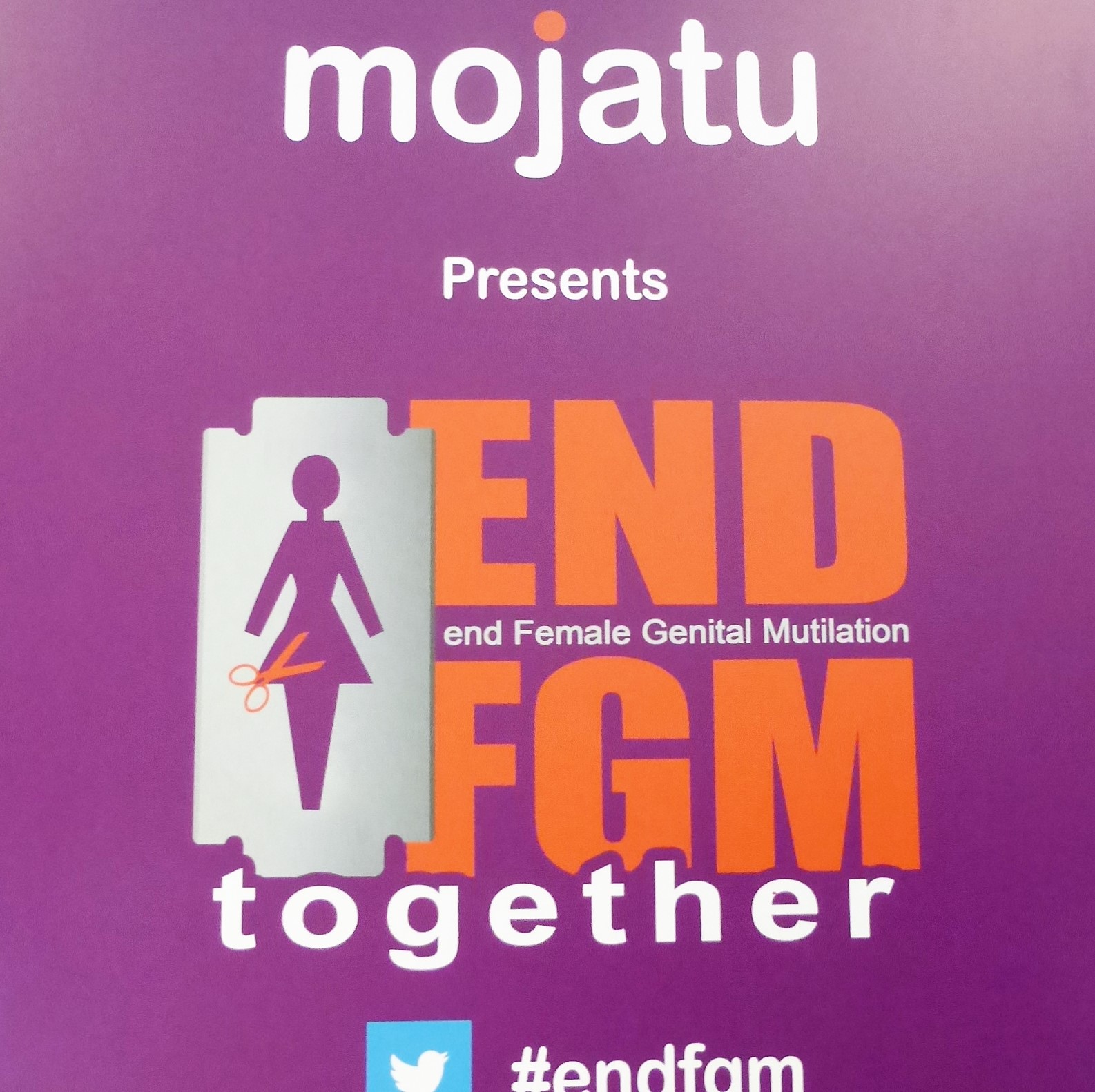 3 September 2015 was the date of an International Conference in Nottingham on Ending FGM Together. The event, devised by Valentine Nkoyo and colleagues from the Mojatu Foundation, offered an ambitious agenda addressing many aspects of the issues. My contribution was a workshop on the media, entitled #EndFGM: Amplifying the Message. The notes for the seminar are below. I hope we can now use this blog to share more Twitter accounts, websites etc, to spread ‘the message’ and to connect with other campaigners..
And please support the e-petition which arose from concerns expressed during our workshop:
Eradicating Female Genital Mutilation [my book]
 My book, Eradicating Female Genital Mutilation: A UK Perspective, will be published by Ashgate in just a few weeks now (September 2015).
I am unequivocally committed to eradication, but have also have tried to develop a sociological analysis of the issues; and whilst I have drawn quite often on the UK experience I hope the analysis will serve well as a starting point also for many other places in the western world, including the USA, Australia and of course the various parts of continental Europe.
Details from the publisher of the book’s contents, its first review and how (if you’d like to) you can order it are below…. And here are links to the detailed Contents, the complete Introduction (24 pages) and the full Index.
 And so we find ourselves confronted by yet another Anthropologist ‘explaining’ why women ‘choose’ to have themselves ‘cut’. Again, it’s Prof Bettina Shell-Duncan of the University of Washington, reporting to The Atlantic on ‘Why Some Women Choose to Get Circumcised‘. She asks us to consider ‘common misconceptions about female genital cutting, including the idea that men force women to undergo the procedure’. When will this comforting denial of the truth finally become a matter of shame for those who promote it? FGM is vile, patriarchal child abuse.
The Guardian Global Media Campaign #EndFGMWhyWait
 The Guardian launched its Global Media Campaign to end FGM at the UN ONE Plaza Hotel on 12 March 2015. The idea is to support the new generation of activists using the media to amplify their message – stop FGM! – to their communities and the world. Here you see two of these determined activists, Domtila Chesang from Kenya and Jaha Dukureh, originally from the Gambia. Their presentations, with those of UN Women Under-Secretary General Mme Phumzile Mlambo-Ngcuka and others, are available here.
 The symposium Contestations around FGM: Activism and the Academy, held on 7 March 2015 and organised by Dr Tobe Levin, was a first, in formally bringing together activists and academics to discuss many aspects of continuing efforts to eradicate female genital mutilation. My task was to contribute to a round table discussion on ‘the benefits, the hurdles and the effects on prevention of committed implementation of the law’. In my paper I examined the risk that an inadvertent turf war around FGM might now be emerging in the UK between the medics and the lawyers.
Wanted: First-hand Testimony By FGM Survivors, Activists And Campaigners
 Can you help? My second book about female genital mutilation is very different from my first (a formal textbook). It focuses on the ‘human stories’ behind this harmful traditional practice. I aim to bring to a wider readership the realities of FGM, talking to people in communities, survivors, ‘rescuers’, opponents, campaigners (in the field or diaspora), anyone with direct FGM experience, women, men, older, younger. Please contact me for details. Anonymous, or I’ll try to feature your organisation, if you wish. Thank you!
Postscript: January 2016
Female Mutilation: the truth behind the horrifying global practice of female genital mutilation (New Holland Publishers, 2016) is now on sale. Massive thanks to the many people – survivors, family members, campaigners, concerned professionals – who helped to make this book possible.
The UK Home Office has been conducting a Consultation on whether and how to introduce a mandatory reporting requirement for female genital mutilation FGM), as proposed in the Home Affairs (Vaz) Report in 2014. I agree absolutely that reporting of FGM should be mandatory for professionals directly involved, but I’d like to see a single, much more integrated and comprehensive approach – eg including all suspected child abuse, plus adult FGM (and forced marriage?) with a national network of trained Abuse Reporting Officers. This is my submission:
A Policy Polemic On Female Genital Mutilation (For Northwestern University, Chicago)
 I was pleased in October 2014 to write a Polemic about female genital mutilation (FGM) for the Buehler Center for Health Policy and Economics, Northwestern University, Chicago, with which I have connections as an Adjunct Professor.
The format of the piece was questions / statements and responses. No doubt over time, as we unpick the issues further, the precise interrogation of FGM will change, but I hope nonetheless this Polemic will remain of interest. Here it is….
 It’s been a busy year for activists seeking to stop female genital mutilation in Britain. We’ve seen media campaigns, debates in Parliament, more research on incidence and a full Home Affairs Committee investigation, chaired by Keith Vaz, which resulted in a report, Female genital mutilation: the case for a national action plan. This is a version of the piece I wrote for Huffington Post, as a review of political progress towards ending FGM in Britain in 2014.
My 2014 Blog In Review (According To WordPress!)

The WordPress.com stats people sent me an annual report for this blog. Here’s their summary:
The concert hall at the Sydney Opera House holds 2,700 people. This blog was viewed about 24,000 times in 2014. If it were a concert at Sydney Opera House, it would take about 9 sold-out performances for that many people to see it.
 Friday 5 December ’14 was my day to join the Rutgers University ‘s #16Days of Advocacy Against Gender-Based Violence, with special reference in my case to female genital mutilation (FGM) in the diaspora, in Europe , North America and Australia. I’ve posted below all my Tweets as @NoFGM_UK, more or less in the order I wrote them. It’s quite a challenge to say things in 140 characters each time, but I hope I’ve captured the essence of some of the facts and views most relevant to my subject.
16 Days Of Advocacy Against Gender-Based Violence : #GBVTeachin #16Days
 Curious about the intersectional nature of gender-based violence, about how all these aspects interact and interconnect?
Throughout the 16 Days of Activism, activists will be convening a #16Days Twitter based #GBVTeachin on various topics.
My own contribution will be on Friday 5 December, via Tweets from my @NoFGM_UK account.
.
Do please follow me and all my fellow contributors, and join our debates whenever you can. (The whole programme is published below; to read it in larger print simply click on the items you want to look at.)
Share the line up with those in your network, and remember to use the hashtags #16Days and #GBVTeachin so we know you’re out there!
Sing And Shout Against FGM: Where The Arts, Human Rights, The ‘Old Days’ And A Big UN Announcement All Came Together
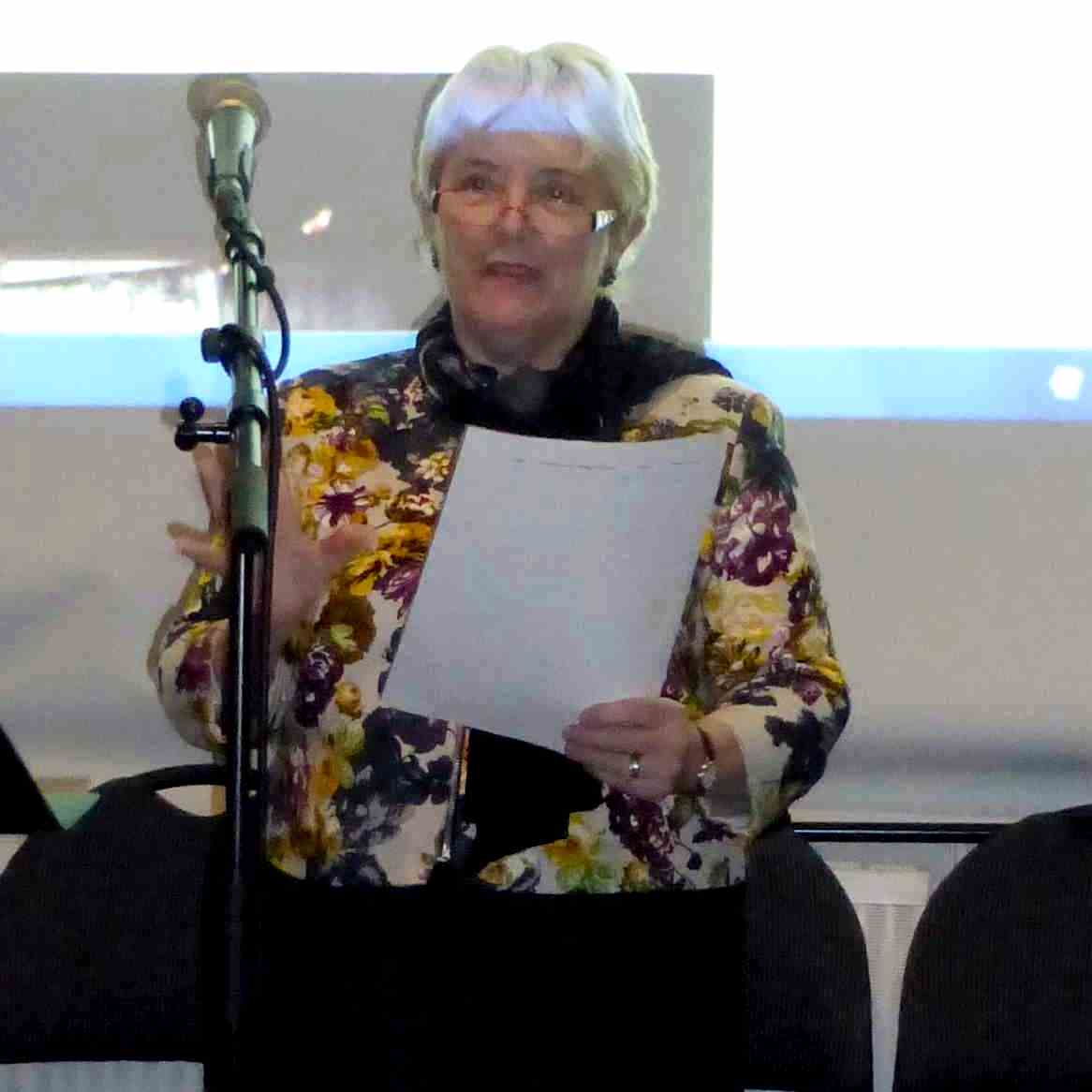 On 29 October 2014 Garden Court Chambers in London hosted an evening organised by Dexter Dias QC in support of FGM survivors. The sold-out event comprised drama, music and talks. I was delighted to be asked to speak – and even more so to relay the news that the United Nations Secretary General, Ban Ki-moon, was in Kenya to announce a global initiative with the Guardian to stop FGM. Using the arts to focus on FGM is very important too, so listed here are the performers at our event, as well as my thoughts on the ‘old days’ of FGM campaigning.
Appreciation: Efua Dorkenoo OBE
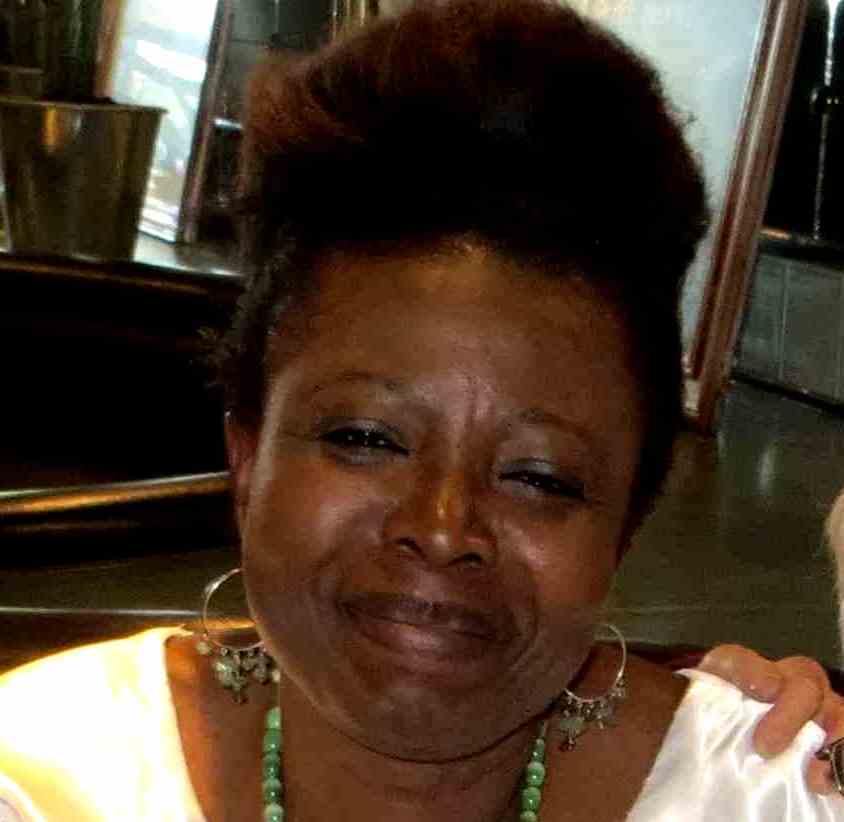 The death of Efua Dorkenoo at the age of only 65 is a massive loss to the global community of those striving to end Female Genital Mutilation (FGM). There have been many appreciations of her written already, but here is mine, composed at their request for the Morning Star. Above my small piece I have posted links to some larger tributes, and below it a photograph taken in 2013 with a note which Efua herself wrote on that occasion, encapsulating in just a few words her massive grasp of the issues and how to approach them. Thank you, Efua, for everything.
NoFGM Fringe Event At 2014 Labour Party Conference: Some Outcomes
 The Make FGM History Fringe meeting (22 September) at the 2014 Labour Party Conference in Manchester brought together activists, survivors, politicians, public service professionals and others. Critical issues were examined – funding, mandatory reporting, the role of LSCBs and schools, and community cohesions amongst them – and differences in emphasis identified; but most importantly, a massive will to make progress became evident. Awareness of the horror of FGM is increasing rapidly…
Event To Explore The Big Issues In Making FGM History
 The event (see here) alongside the Labour Party Conference in Manchester, on Monday 22 September 2014 (9.15-11.30am), aims to bring together policy developers, professionals and, most importantly, those with direct experience of FGM. Discussions will focus on the big questions as yet not fully resolved, hopefully exploring the differences in perspective between the different parties involved in Making FGM History in the UK. What follows is an article I wrote for the Morning Star about these issues and the people who will be discussing them.
Will The ‘Girl Summit’ Speed Ending FGM In The UK?
 The Girl Summit in London on 22 July ’14 was an extraordinary event, bringing together various EndFGM and CEFM (child/early/forced marriage) campaigners and top influencers from around the world. The evident positives have however been balanced by caveats from, e.g., Naana Otoo-Oyortey * of FORWARDUK and the participatory development expert Clementine Burnley **. For me too there are issues, not least around where this leaves the stop FGM campaign in the UK.

The Morning Star has today (30 July 2014) published an op-ed which it requested from me about the alleged threat to impose female genital mutilation (FGM) on girls and young women in ISIS-controlled northern Iraq. It is always difficult to write about topics which horrify and anger in equal measure – sadly, there are far too many such global examples right now – but I managed to find some words to articulate what many of us may be feeling about the rumoured mass enforcement of FGM, and to suggest a few positive ways forward.
Schools Must Safeguard Girls From FGM; But How?
Simply Child Safe, a new publication edited by Denise Fergus (mother of murdered toddler James Bulger), addresses current UK child safeguarding issues. As a fellow Liverpudlian I was pleased to be asked to write about child protection and female genital mutilation (FGM) for Issue No 2 of this magazine. My message, at last it seems being heard, remains that mandatory reporting, training for all professionals in regulated activities, and proper channels for concerns, are all critical. Here’s what I wrote:
UK Parliament Home Affairs Committee Report On Female Genital Mutilation (FGM): My Response
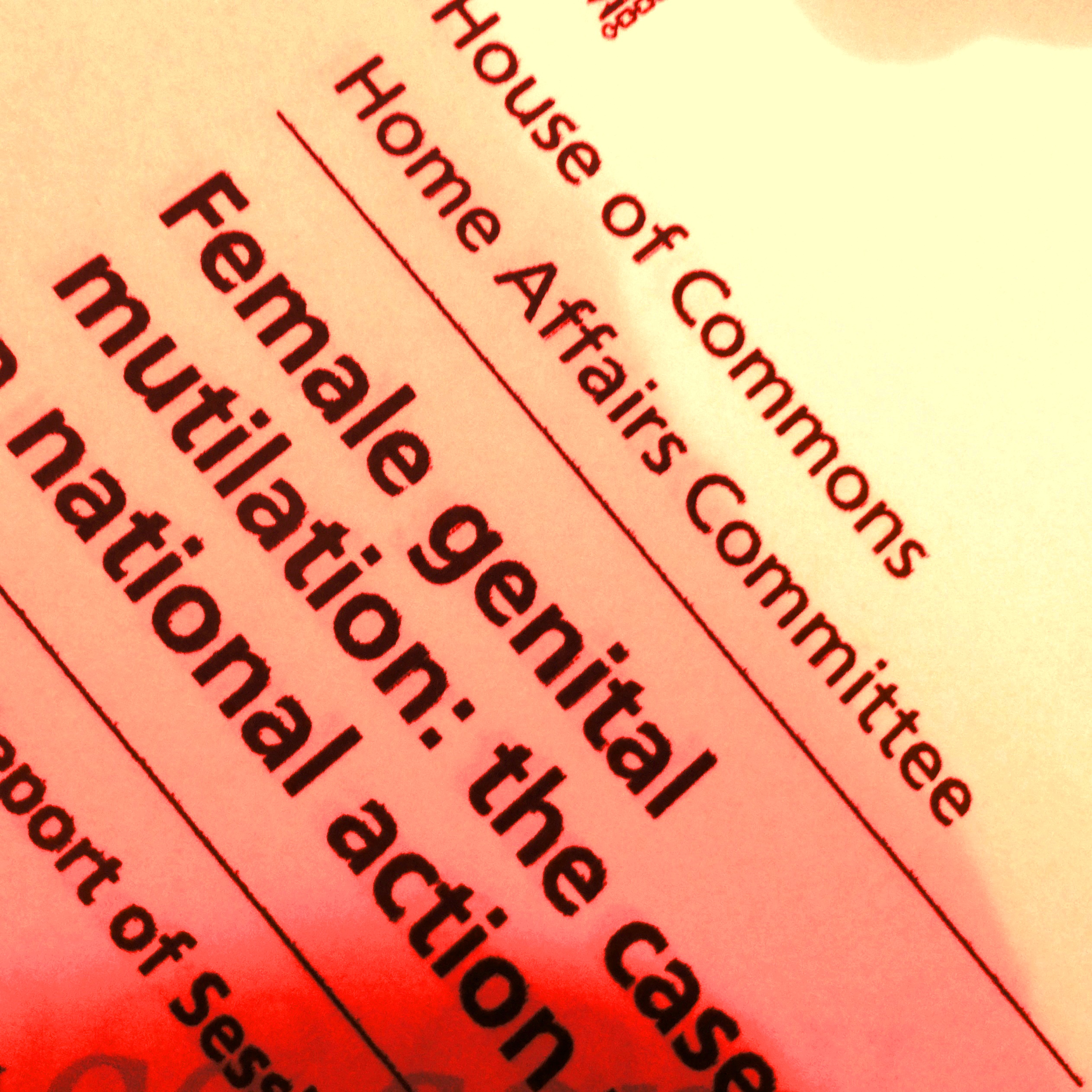 The House of Commons Home Affairs Committee has (3 July 2014) published its report on Female Genital Mutilation: the case for a national action plan. I made a submission to their Inquiry, my views shared largely also by others. The Committee, chaired by Keith Vaz MP, reflects much of what many of us proposed – compulsory PSHE, proper training for concerned practitioners, more support for community activists – but fails to grasp the nettle on finance, mandatory reporting, or the economic costs of FGM.

 Hilary Burrage