Welcome. This website comprises mostly Hilary's sociological papers and articles about patriarchy, (gendered) harmful practices (e.g. female genital mutilation / FGM) and thoughts on science, health, environmental issues, sociological analysis, social policy and good practice.
The Problem Isn’t Badgers, It’s (Politically Led?) Bad Science
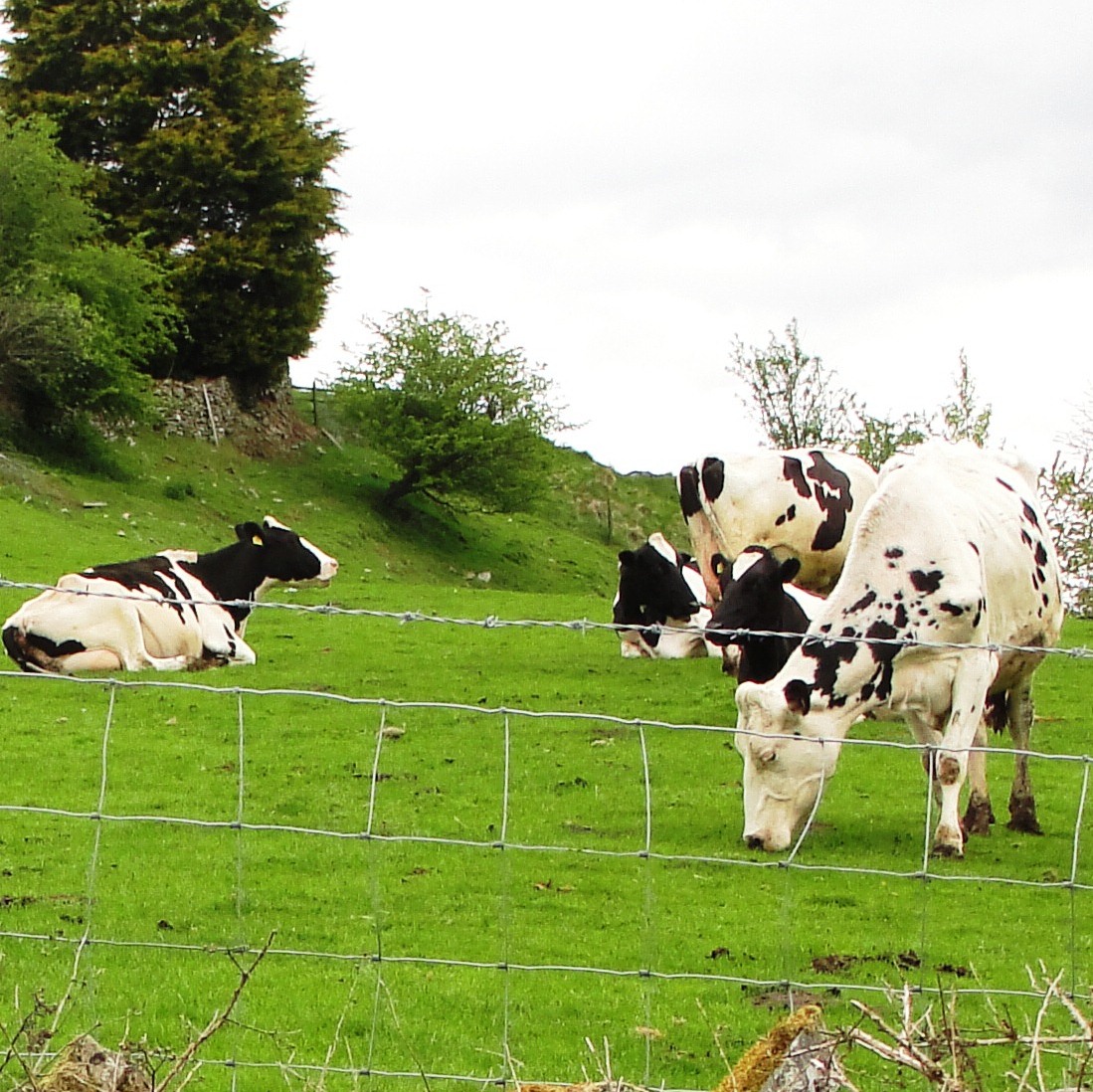 Animal and land husbandry are rich with examples of how scientific research doesn’t always mix easily with politics.
Extraordinary intervention excepted, we are about to see the hugely controversial beginning of massive badger culls authorised by DEFRA to in an attempt to eradicate Bovine (cattle) TB – aka bTB – across parts of the English countryside which some see as our enduring, unchanging birthright, where contented cows, cosy badger setts and comfortable farmers all happily co-exist….
A similar version of this post has also been published in The Huffington Post.
Female Genital Mutilation: Why Does This ‘Holiday’ Horror Endure?
 ‘Summer Holidays are for Fun not Pain’ declared the (London) Metropolitan Police Force as school broke up for the Summer 2012 break. A strange thing to remind us, we might think; everyone knows the Summer Hols are for fun. But then perhaps we recall that hundreds, if not thousands, of young British girls are forced to undergo female genital mutilation (FGM) during that long break when school is out. Hence the message of the Met’s London Safeguarding Children Board…..
This paper is a more detailed version of a post with the same title published by the Huffington Post.
Samuel Coleridge-Taylor (1875-1912), Britain’s Foremost Black Classical Composer: The Centenary Legacy
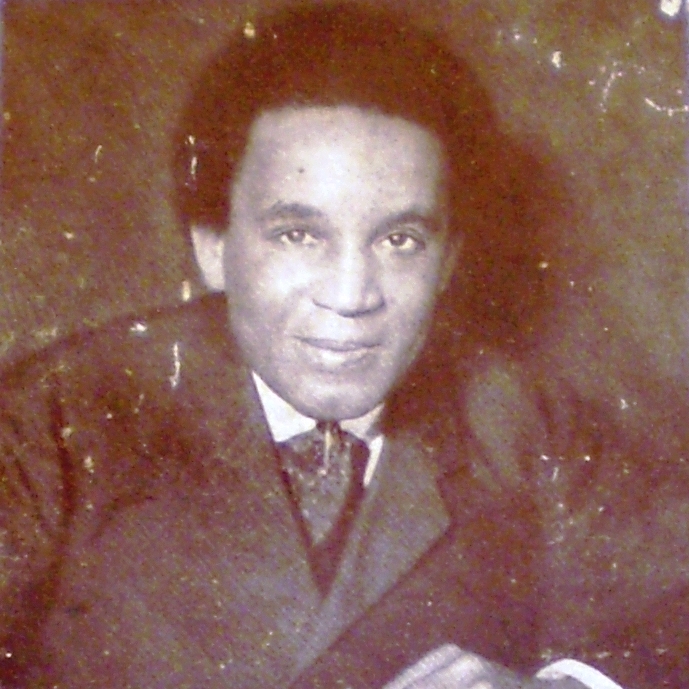 Just a few days after this year’s Slavery Remembrance Day, on 23 August, we mark also the centenary legacy of the black British music composer Samuel Coleridge-Taylor, who died one hundred years ago, on 1 September 1912.
What follows is a version of the article which, as Executive Chair of the Samuel Coleridge-Taylor Foundation, I posted on the Huffington Post UK website to acknowledge this significant milestone.
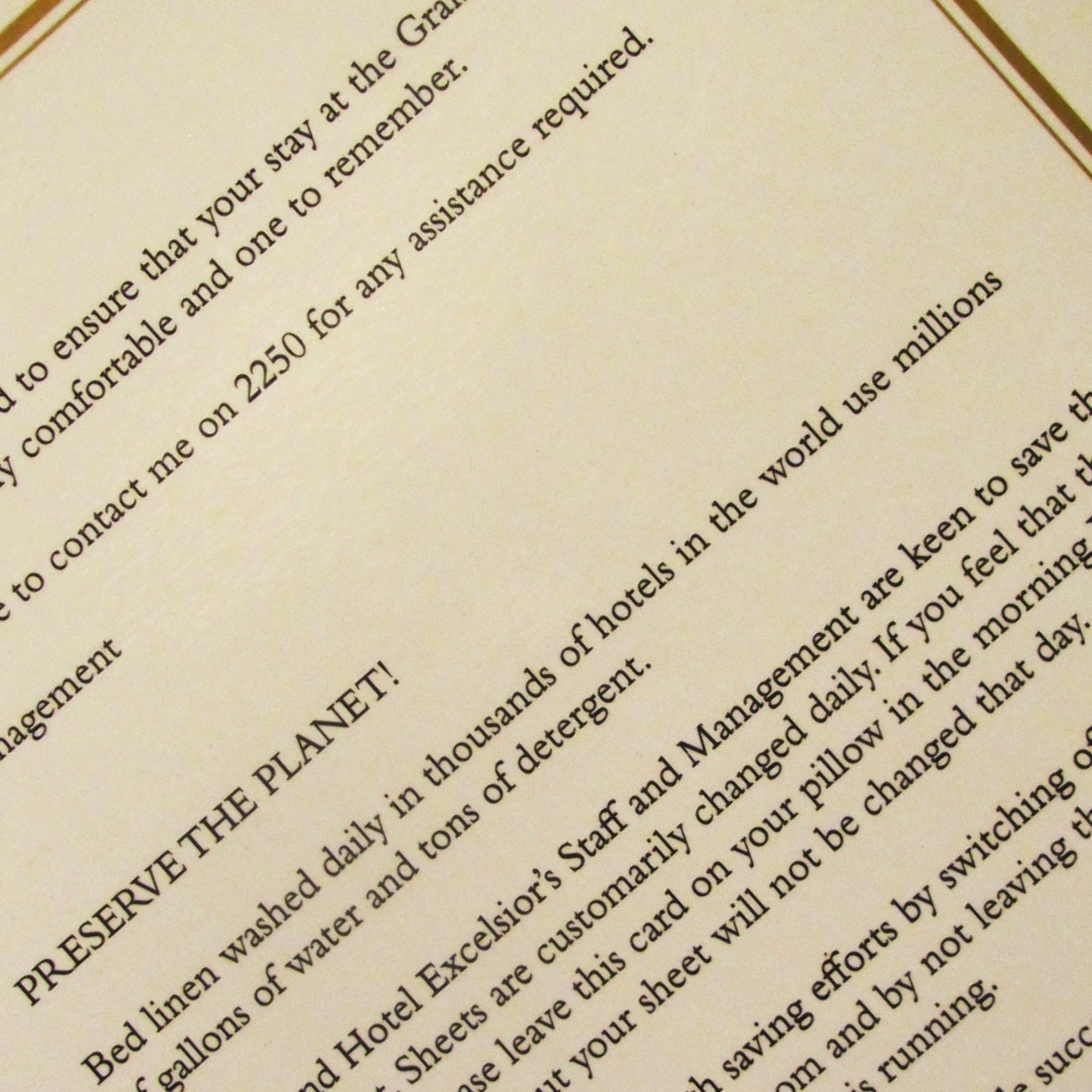 With luck (like me) you’ve had a holiday this summer in a nice hotel.
If so, perhaps you saw a notice in your room from The Management, suggesting you might like to save water and other resources by not asking for new bedlinen every morning. Fair enough, it’s your choice one way or the other. But it does give pause for thought about how much water we all use, every day. So here are a few ideas about how that moment of reflection can give rise to positive action.
Could you find time on 15 September just to go for a walk, to support WaterAid?
 There should be absolutely no reason for this listing to exist; but whilst the necessity to advance the ‘No FGM in UK’ message remains, this post is offered as a way to record lobbying, and what is actually being done, to halt the risk of genital mutilation to at least two children in Britain, every hour, every day – horrifically, that’s well over 20,000 small girls in the UK p.a.. You are welcome to share in the Comments box below any information about, or actions taken to prevent, FGM in the UK.
Please tell others too that their contributions here will be very welcome.
I hope very soon that this post will no longer need to be featured on my website. To help get to that point, please if you are a UK citizen or resident sign and forward to others this e-petition, which is on the HM Government website and open until 25 June 2013:
STOP Female Genital Mutilation (FGM / ‘cutting’) in Britain
NB: this petition and the post below are concerned solely with FGM. There is a separate post here where Male Circumcision and related topics can be discussed.
If you have a Twitter account and would like to draw more attention to this issue, please use the hashtag #NoFGM and follow @NoFGM1. Thank you.
 One of the most memorable stories I ever heard was from a civil engineer who was asked about the achievement of which he was most proud. He immediately said it was being invited to first turn on the tap which he had installed to deliver clean running water to an African village where there had previously been no supply. And now WaterAid has decided to share in real time their account of an even more ambitious project in Malawi, set against demanding deadlines…
Female Genital Mutilation In Britain: A Scandal About To Break…? (And The Risks Of Summer ‘Holiday’ FGM)
 A version of this blog is the lead article today (7 June 2012) in the UK Huffington Post. Public awareness and concern about the awfulness of FGM is growing, as the active Huffington Post Comments debate which follows the piece demonstrates. Averaged over a year, 50+ children every single day are at risk in the UK; but still no legal sanctions have ever been applied.
How much longer must we wait before effective, substantive action backed up by proper national resourcing is at last a reality?
 There is very serious concern in the UK about the increasing numbers of small girls – probably many thousands annually – at risk of FGM (female genital mutilation). This is indisputably a matter of child abuse; discussion and news on action about #NoFGM in the UK can be found on this website here. But many maintain (and I agree) that male circumcision – more properly, MGM – is also child abuse and should be banned. You are welcome to share (evidenced) views about male circumcision via the Comments box below. [PS Contributions so far are illuminating.]
Shaping The Future (North West Wales)
 I was pleased recently to be invited to become an Ambassador for the Shaping the Future programme in North West Wales. This programme aims to ‘put human potential at the heart of regional development’ – an aim with which I immediately felt aligned; as I did also with the intention to create sustainable economic diversity by encouraging skills development, with retraining and redeployment for the highly-skilled employees of the Wylfa and Trawsynydd nuclear power sites as their careers are threatened by decommissioning over the next five to seven years.
The Spirit Level Documentary Film Campaign
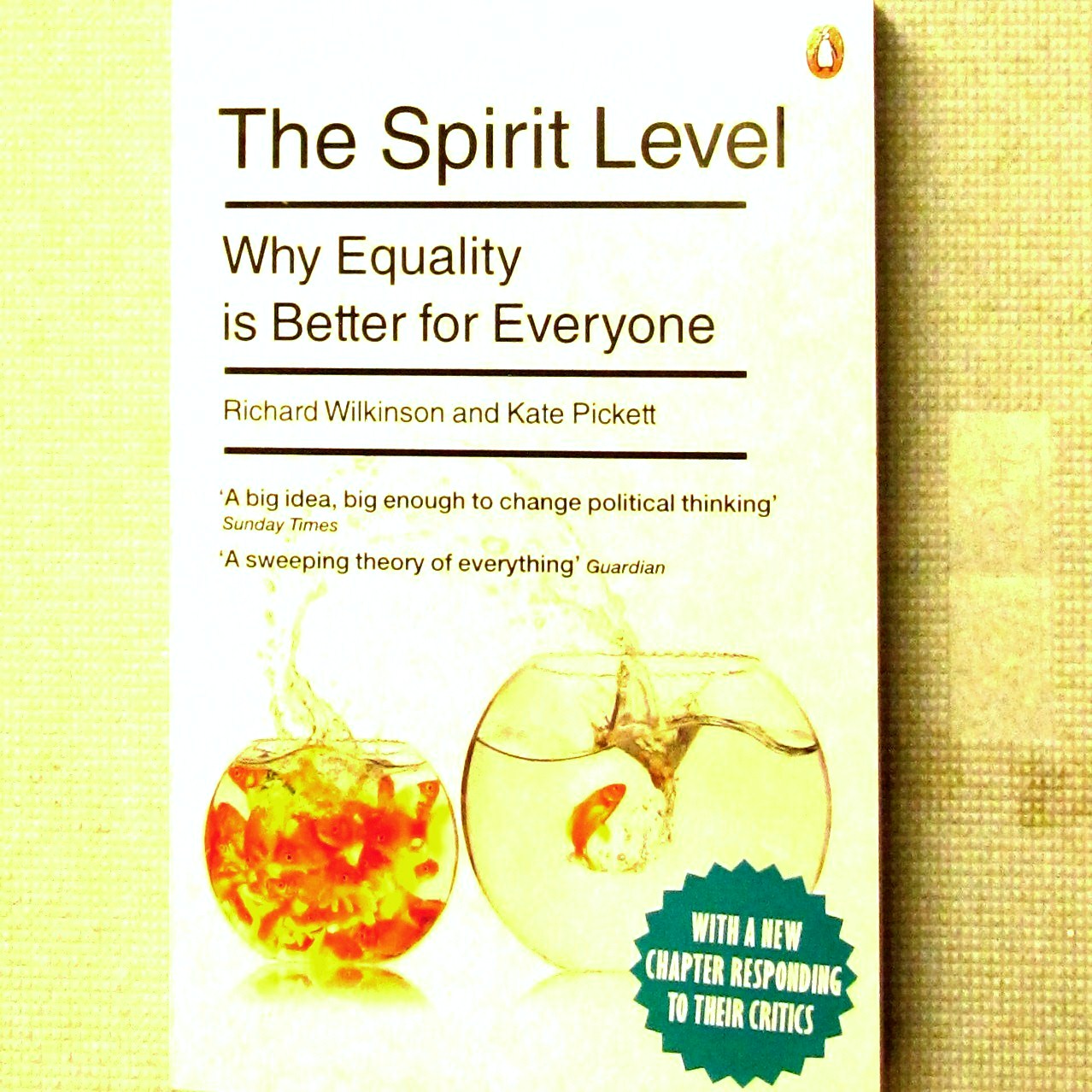 The Spirit Level, a book by Professors Kate Pickett and Richard Wilkinson, has already had a profound effect on the debate about equality (or the lack of it) in modern societies; and now the printed page is to be followed by a documentary film. The money is needed very soon. Given the significance of this timely development in the equality debate, I have attached below the message inviting interest, received today from the Equality Trust, an organisation set up by Wilkinson and Pickett.
Do support this venture in any way you can.
Understanding How Blackburn’s Pakistani Community Relates To Public And Private Institutions
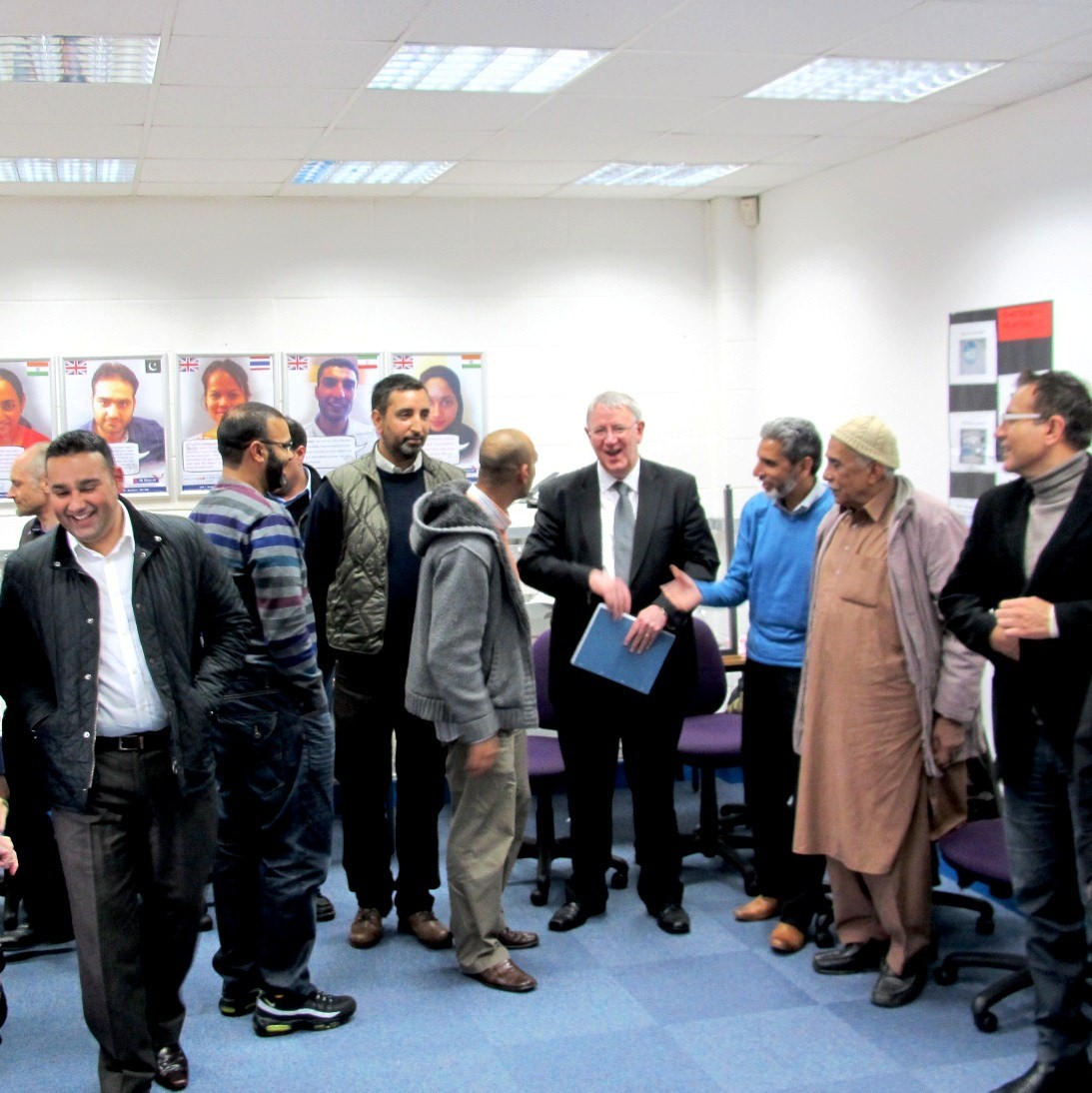 Blackburn on a Saturday afternoon… and an invitation to join discussions with business, mosque and council leaders from the Pakistani community, as the Insight Out project comes to an end, with dedicated time to face outwards and engage additional concerned citizens.
It was a wide-ranging, open-hearted debate about what Pakistani heritage Blackburn residents might do to improve the outlook for both their own and their neighbours’ communities.
The move towards real action, I sensed, has begun.
Liverpool Economic Forum 2012
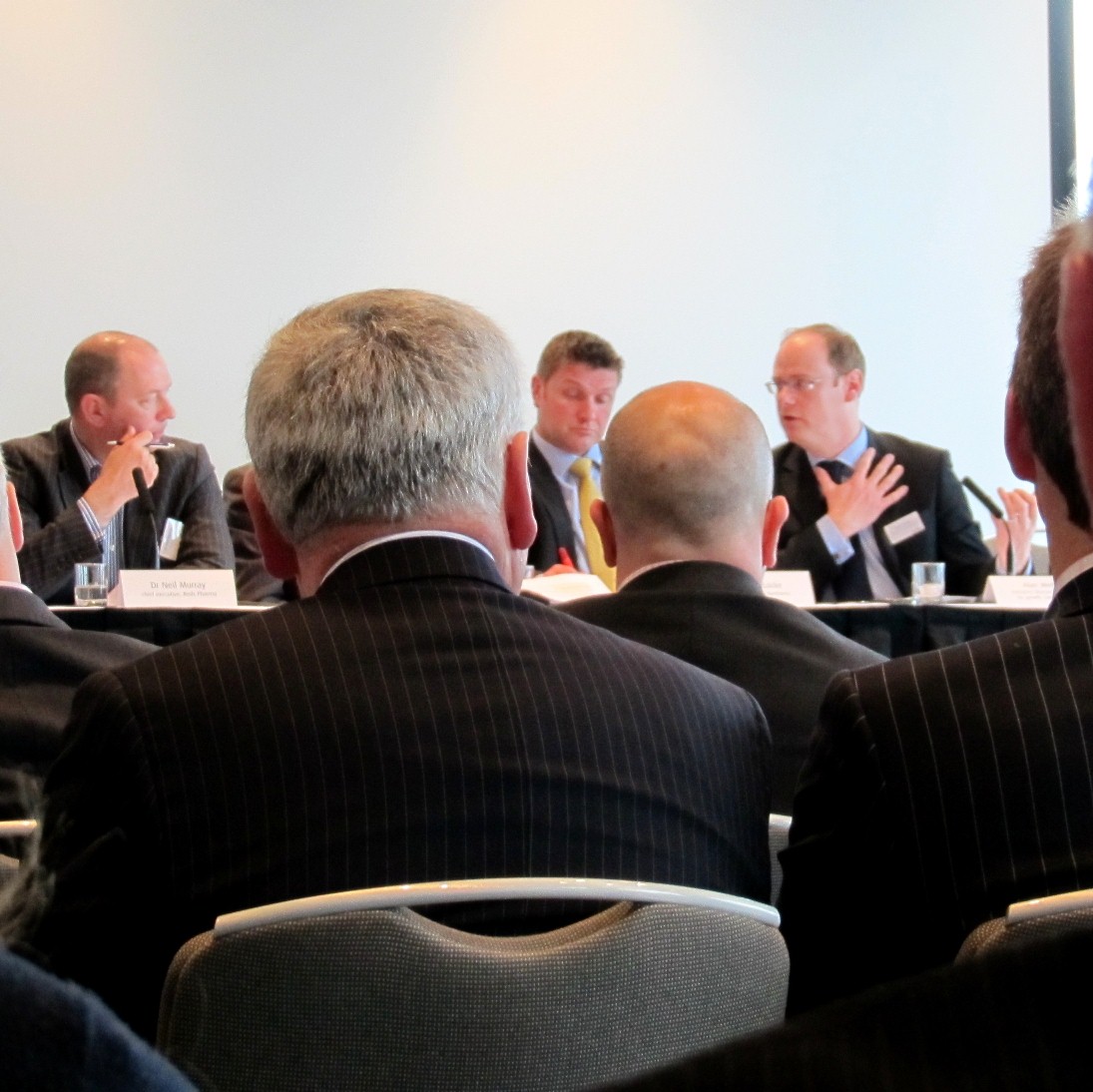 The Liverpool Economic Forum 2012, hosted on 15 May at Radisson Blu Hotel by North West Business Insider, offered important pointers to the future. Positively, a lot now hinges on new City Major Joe Anderson’s delivering his pledges to bring investment, cruise liners and much else to Liverpool. More problematically, whilst all agree the city now punches above its weight, concerns remain about whether Liverpool can deliver a coherent offer to potential investors. And still discussion of real sustainability and inclusion is absent.
Sociology, Democracy And The Economic Crisis
 Aditya Chakrabortty of The Guardian has just (8 May 2012) published his second commentary about ‘the dearth of sociologists and other non-economists analysing how we got into’ the current economic crisis. This silence, he says, is in vivid contrast to the (dramatic but ineffectual) protests of academic social scientists when monetarists reigned supreme whilst Margaret Thatcher was Prime Minister. But, sadly older and wiser, this time we need to focus on a more encompassing agenda of transaction, impact and meaning.
Female Genital Mutilation: The Difficult Debates
 Female genital mutilation (‘cutting’) is an inherently difficult subject. The clash of social mores, clamours of righteousness from all quarters, the vast contradictions evident in legal and child protection practice and the sheer sensitivities of the topic, contrasting personal vulnerability and grotesque practice, all make intervention perilous.
And beyond that there are the demands for clarity about male circumcision and appropriate ways to address it in the UK and elsewhere.
 Estimates suggest more than 50 small children in Britain are at risk of, or suffer, the grim cruelty of FGM every day. It leaves deep scars, physically and mentally, and it maims and kills. How much more pain must be inflicted on girls and babies before this practice is stopped? Who will accept responsibility for halting the horrors of FGM?
Will only a full moral panic about scandals of professional ‘failure to care’ bring the barbarism of FGM to an end?
Please sign and forward this e-petition (for UK citizens), posted 25 June 2012 on the HM Government website:
STOP Female Genital Mutilation (FGM / ‘cutting’) in Britain
If you have a Twitter account and would like to draw more attention to this issue, please use the hashtag #NoFGM and follow @NoFGM1. Thank you.
Female Genital Mutilation In Britain: Professional Culpability, Public Responsibility, Private Peril
 Female genital mutilation (‘cutting’, or ‘FGM’) is a barbaric practice inflicted on young girls by their families, and often performed by their immediate women relatives. Operators rarely have medical training and FGM is expressly illegal in the UK. Nonetheless, every year some 20,000+ small children in Britain are at risk of this damaging, very dangerous ritual. But prosecutions there are none. Why are FGM perpetrators protected, rather than victims? Is FGM child non-protection on a par with the scandal of UK elder-care ‘services’?
Call The Midwife… Then, Now And In The Future
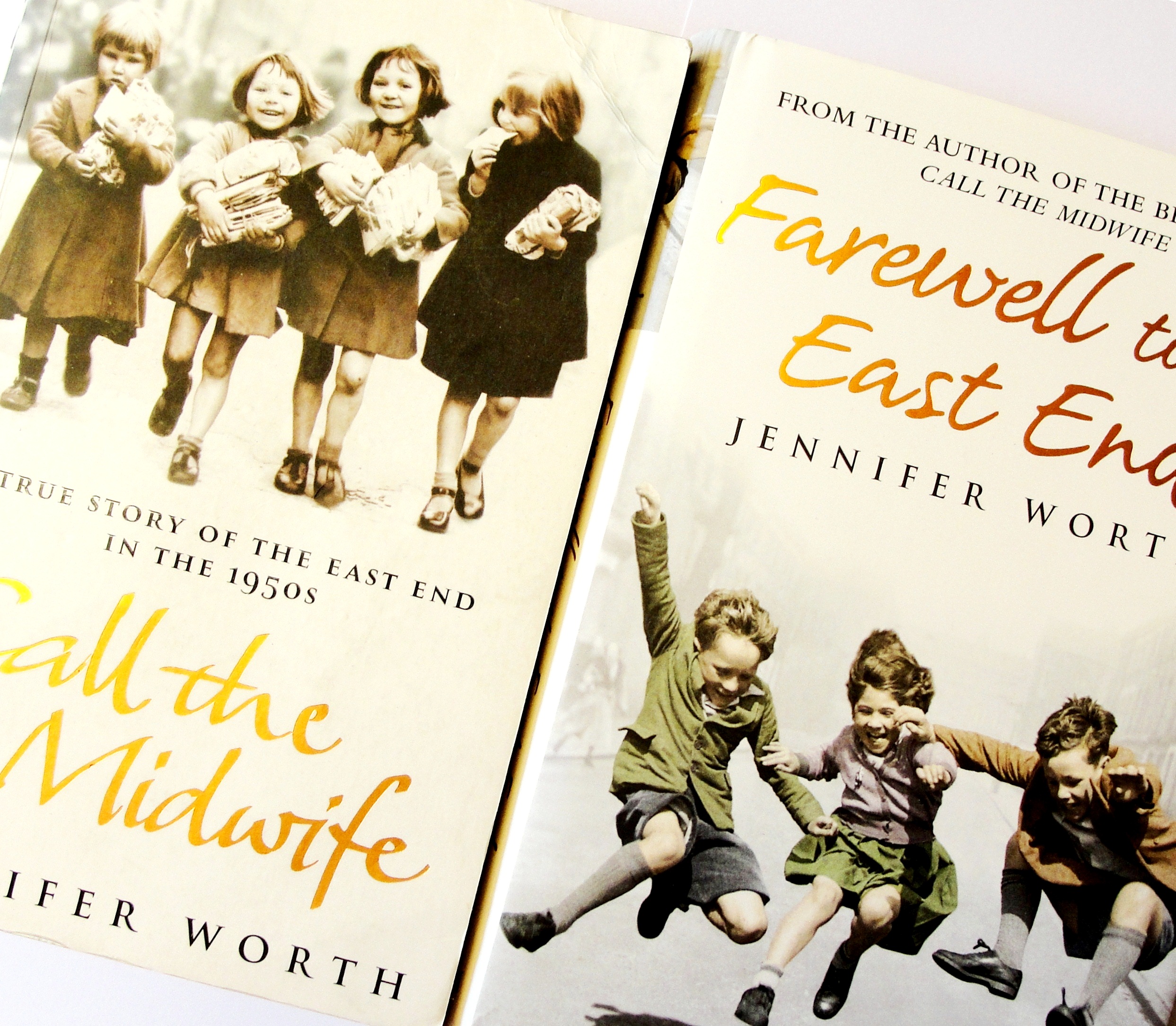 We might think that a book about midwifery in London in the 1950s is of little practical relevance today; but how wrong could we be? The true tales which Jennifer Worth (1935- 2011) relates in her Call the Midwife trilogy, now being televised by the BBC, are not as some suppose stories removed from the realities of the present time. They connect very directly with our current lives for at least two critically important reasons.
NB Further discussion of ‘Call The Midwife’ as a really successful BBC1 drama series (and about who wrote and performed the music for the drama) can be found on Hilary’s other website, DreamingRealist ~ Call The Midwife: A BBC1 Triumph For Real People. The blog on this website considers issues around delivering professional public service.
You are most welcome to add Comment on either post.
Green Hubs As Social Inclusion And Community Engagement
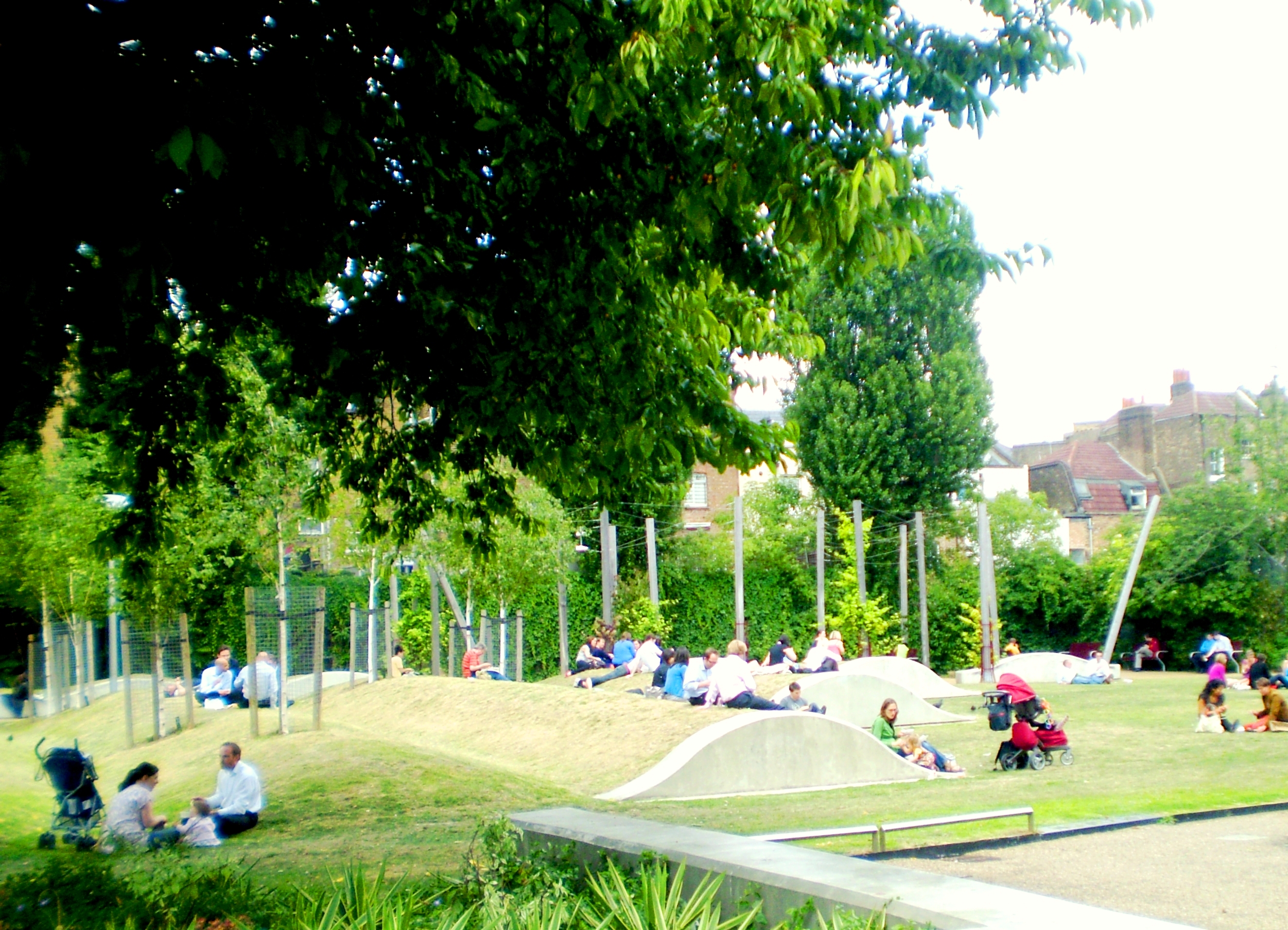 This paper proposes a possible framework to examine concepts of public space in relation to culture, knowledge, community engagement and inclusion. It is not a challenge to current ideas about the sustainable development of public space, but offers additional perspectives arising from wider debates about the importance of understandings in shaping resilience, cohesion and sense of place.
A version of this paper was also published in the Proceedings of the Institution of Civil Engineers – Municipal Engineer, Volume 164 Issue 3, September 2011, pp. 167-174.
Teachers: The Internal Crisis (in 1981)
 This article, which I wrote in Autumn 1981, was first published in the journal Social Science Teacher Vol.11, No.1. It refers to post-16 education in England immediately after the 1981 riots. As now, thirty years later, the labour market for young people was fragile, quasi-monetarist economic strategies were in force, and social unrest and concerns about the future were widespread. In these contexts it is unsurprising that teacher morale was under strain and the debate about occupational stress in education was beginning.
 Let me start by saying in this Review that I’d urge absolutely everyone who has a professional concern for ageing to read this book. It offers fresh perspectives on and a very significant contribution to our understanding of difficult matters. Not only researchers (whether social or, e.g., medical) but also policy makers, practitioners, clinicians, journalists and many others will find their insights into this complex issue enriched by what Bill Bytheway, a social gerontologist and policy commentator of many years’ standing, has to tell us.

 Hilary Burrage