Eradicating Female Genital Mutilation: Progress Via Practical And Low-Tech Approaches?
You can TRANSLATE this website to the language of your choice via the Google weblink.
.
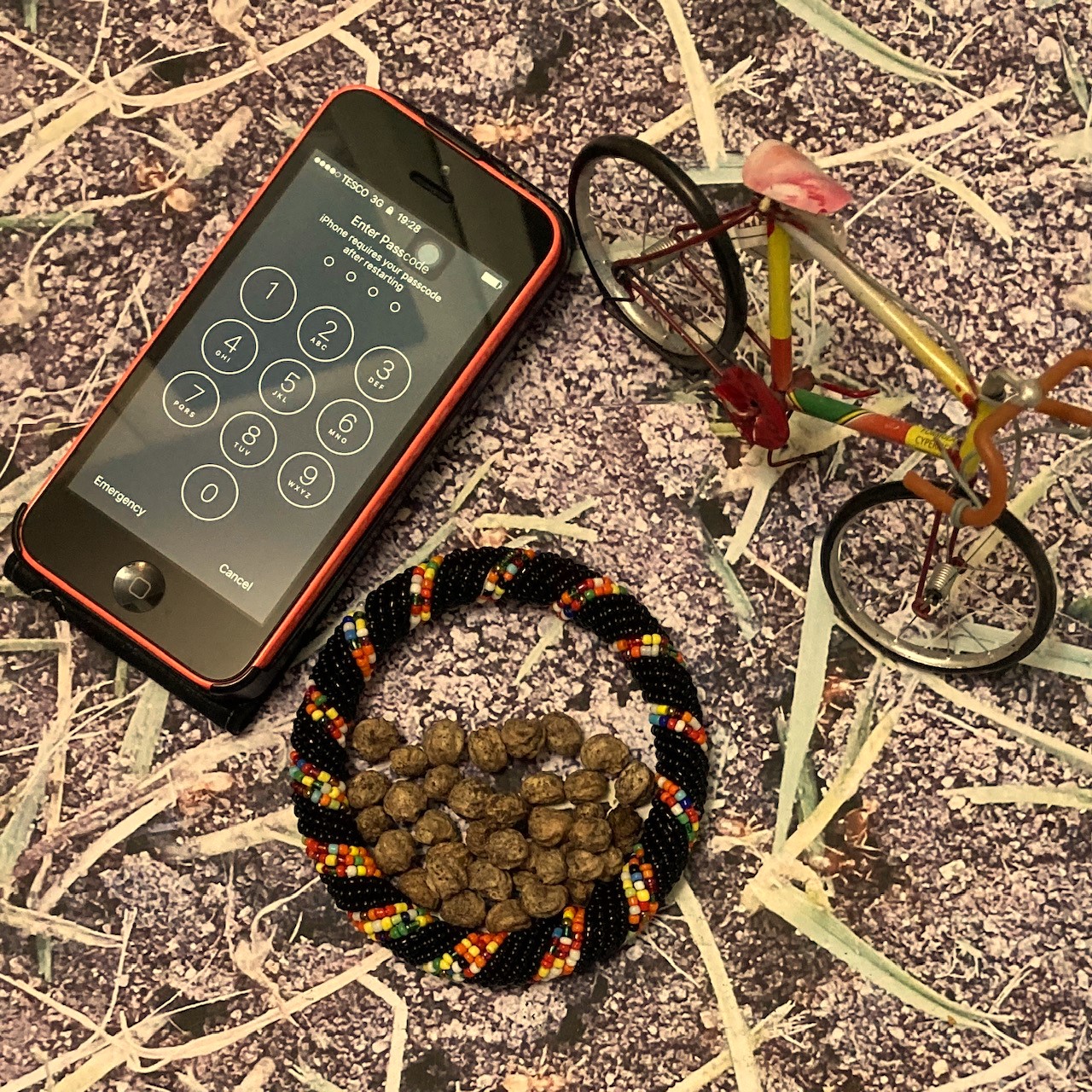 This post, in recognition of International Women’s Day (8 March), is a follow-up to my piece 0n Eradicating Female Genital Mutilation: Identifying The Tensions And Challenges of 6 February 2024, which was International Zero Tolerance for FGM Day. In the first post I considered some wider socio-economic contexts in which violence against women and girls (VAWG), especially FGM, continue, and some issues which can occur in terms of potentially conflicting interpretations and / or hypocrisies around such difficult and complex situations.
In this second post, referencing the always critical issue of sustainability, I consider some of the possibilities, already potential or in use, for the general adoption of practical measures, low technologies and public information in the eradication of FGM and other VAWG. In doing so I have drawn on findings from the COP26* conference on global environmental challenges such as energy (carbon), population and food, and on examples of accessible technologies and items such as mobile phones and bicycles. None of these ideas and suggestions is mine alone, but perhaps they help focus on the wider aspects of ending FGM, as well as the immediate medical, legal and educational mechanisms. Both are I believe essential for effective progress to be made.
This is the UN statement of IWD 2024. Below are some suggestions about how it interfaces specifically with efforts to #EndFGM.
In a world facing multiple crises that are putting immense pressure on communities, achieving gender equality is more vital than ever. Ensuring women’s and girls’ rights across all aspects of life is the only way to secure prosperous and just economies, and a healthy planet for future generations.
One of the key challenges in achieving gender equality by 2030 is an alarming lack of financing with a staggering USD 360 billion annual deficit in spending on gender-equality measures.
The time for change is now! Join us on 8 March 2024 for International Women’s Day as we rally behind the call to “Invest in women: Accelerate progress”.
[*COP26 was the 2021 meeting, in Glasgow in November 2021, of the UN Framework Convention on Climate Change (UNFCCC). ‘COP’ is an abbreviation of ‘Conference of the Parties’, of which that event was the 26th].
Low tech tools and concepts
A quick note first on ‘Low Technology‘: Low tech is widely deliverable, but usually depends on already developed knowledge and resources, maybe elsewhere. For our purposes I have adopted this designation to reference resources, tools and concepts or ideas which are (once brought to market) relatively low cost, and can feasibly be operated by and delivered to ‘ordinary’ people in rural and perhaps subsistence communities almost anywhere.
Amongst low tech tools and concepts are mobile (‘cell’) phones, bicycles; ‘open’ mapping – proper records of the topography and naming of every community location – and tools for improved agricultural practice. (Another example might be The Centre for Vision in the Developing World’s adjustable lenses in modestly priced spectacles so that e.g. children can learn to read and don’t constantly need new pairs.) Wider concepts and ideas which might be considered include formal recognition of the equal standing of men and women, with legal records of ownership of land; modern understandings of location-specific resource management and access to clean water and irrigation; and acceptance and implementation of the right of every family (and, specifically, every woman) to have the number of children they choose consciously to ‘invite’ into the world.
In suggesting these tools and concepts let us note again that many of them are available and already adopted by people across many parts of the world. But to varying degrees not all these items currently shape or support the experience of women and girls vulnerable to FGM and other gendered violence; and without such measures the eradication of FGM will continue to be more difficult.
Let’s look at a few of these items in a little more depth….
Mobile (‘cell’) phones
Mobile phones have enormous potential to lift people out of poverty, both economic and informational. The obstacles to that objective include non-existent or ineffective internet coverage, charging facilities (electric ?solar), gendered ownership (more men than women have phones) and literacy (also a gender issue). None of these problems is insurmountable, especially in locations where solar power is significant, but each of them requires determined attention, especially eg to increasing phone ownership by women, and the provision of supporting infrastructure.
One important example of the use of low / interim technology specifically to eradicate FGM is the Global Media Campaign to End FGM. The Global Media Team trains activists to run powerful anti-FGM campaigns where powerful influencers such as religious leaders and doctors speak out on the media, condemning the practice, then using impact studies to help define the most effective methods of promoting their objective of reducing the incidence of FGM.
We already know therefore how important mobile phones can be in the dissemination of health and other information and in seeking help when it’s needed; but the scope is surely widening all the time. Mobiles can share information by word of mouth, or via written texts and links. Potentially perhaps they can be vehicles for distance learning for millions of barely literate people, many of whom will be girls and women: literacy is a huge step forward for everyone (especially vital after the Covid pandemic), and it widens the world for many people who have no wish to leave their communities, but do want to be as effective as possible in how they conduct their every day tasks.
The ‘global north’ has now developed many educational and information programmes which, adapted where necessary for particular contexts use, could provide education in parts of the ‘global south’. That information can include topics as broadly disperse as how to better irrigate your crops, how to register your ownership of land, or how to control your fertility, with everything in between.
As the World Bank observes:
If, as it has been argued, the best technology is often the one you already have, know how to use, can maintain and can afford, for most of the world, the mobile phone fits these criteria quite well. As of late 2013, rates of mobile phone penetration stood at 96% globally (128% in developed countries and 89% in developing countries).
Further, as a different study in Papua New Guinea found, the potential for new ideas and connections is striking: “Cell phones offered villagers, including women, a way to create social relations outside the customary bounds of kinship and locality.”
Any and all of the benefits above which mobile phones may enable are self-evidently matters which reduce the direct economic and personal dependence of girls and women on men, thereby also offering the potential for a life without the ‘need’ for FGM and the trading of young women and girls as wives.
The scope for applications of mobile / cell phones, alongside the availability of energy to charge them, and literacy to read them, is enormous. One large scale research report tells us:
[This] study provides large-scale evidence that the expansion of mobile phones is associated with lower gender inequalities, higher contraceptive use, and lower maternal and child mortality, with bigger payoffs among the poorest countries. Micro-level analyses further show that the ownership of mobile phones has narrowed the information gap about reproductive and sexual health and empowered women to make independent decisions
Bicycles
As Susan Bornstein of World Bicycle Relief has reported, “rural mobility cuts across most of the Sustainable Development Goals (SDGs). Achieving the SDGs requires not just building schools and health clinics but also considering how rural people will access them.” This is why bicycles are so important. World Bicycle Relief has provided more than 200,000 women and girls in Africa with bicycles that are specially designed to withstand the most punishing terrain day after day, supporting inclusive economic growth and women’s empowerment – essential, as above – via affordable bicycles in sub-Saharan Africa.
And it is not ‘only’ girls and women who benefit directly from the use of bicycles. These modest (all terrain, sturdy) vehicles are also, for instance, essential for the work of “Male Champions” combating Female Genital Mutilation (FGM), teenage pregnancies and child marriages in, as one example, parts of Uganda. Perhaps too this modest, effective form of transport will become useful for enhancing the work of the ‘barefoot grannies‘, traditional community-engaged matriarchs who have no desire to ‘move on’ to the city, and have willingly been trained to take forward health messages, and even the technicalities of solar engineering, as well as where necessary the EndFGM message. The scope with wheels for reaching more people more quickly is again obvious. The EndFGM message must be continued by men and women, in as many ways, and as effectively, as possible.
‘Open’ mapping
Associated with both mobile phones and bicycles is another issue which can be expected to reduce isolation and hazards for women and girls in ‘remote’ (to many of us) parts of the world. To reach people we need maps.
One organisation which focuses on the production of maps in this context is the Humanitarian OpenStreetMap Team (HOT), a global community of volunteers, community leaders, and professionals who work together to create open map data to support disaster response and sustainable development.
Crowd2Map Tanzania is a crowdsourced volunteer-based mapping project set up by Tanzania Development Trust (TDT), a volunteer-run UK charity established in 1975 to help grassroots projects in rural Tanzania. As they report:
Crowd2Map aims to put rural Tanzania on the map. Since 2015, they have been adding schools, hospitals, roads, buildings and villages to OpenStreetMap (OSM), an open source map available to all, with the help of over 13,500 volunteers worldwide and 1500 on the ground in Tanzania…. We do this so that communities can better navigate, plan their development and progress towards the SDGs, and to help activists better protect girls from Female Genital Mutilation.
Agricultural practices
Life in Mali, amongst the poorest countries in the world, is tough for almost everyone, but especially for women, almost 90% of whom have undergone FGM. Unlike some other nations, this incidence of FGM in Mali has remained constant for several decades, with little evidence – at least until the recent efforts in that country of the Global Media Campaign – that it will drop soon, or that higher incomes and education are reducing rates of cutting.
The not-for-profit organisation Tree Aid tells us more about the situation in which Malian women find themselves:
Mali is one of the poorest countries in the world where women have few opportunities to earn money. Most women depend on what they can grow on their land for food and income, but the climate crisis is making this even harder.
To make matters worse, women living in Mali have less access to healthcare, education and jobs. They are also prevented from managing the trees and land they rely on.
As a way to ameliorate these critical problems Tree Aid introduced a programme entitled She Grows, which ran from 2020-23 and supported over 1,000 women in Mali to grow trees, food, and an income. As they reported:
We empowered women to secure access to trees. With the right tools and training, they can now turn tree products like fruit and nuts into nutritious food to eat, and products like soap and shea butter to sell. With training in key business skills and links to buyers, they have been able to increase their household income, and tackle poverty.
This project was connected with the much larger and more ambitious Great Green Wall, an epic international effort to grow a vast belt of trees, vegetation and fertile land across the drylands of the Sahel in Africa: an 8,000km band of trees, tackling many urgent needs – increasing biodiversity, restoring and protecting land, growing nutritious food, and creating green jobs for the millions of people living along its path.
But the point from our current perspective is that Tree Aid, amongst others, has provided women in Mali with the agricultural implements and knowledge they need to increase their output from the land, and thereby to increase their independence and income. In 2019 UN Women reported that
….gender gaps in agricultural productivity do not arise because women are less efficient farmers but because they experience inequitable access to agricultural inputs, including family labour, high-yield crops, pesticides, and fertilizer. Equalizing women’s access to agricultural inputs, including time-saving equipment, and increasing the return to these inputs is therefore critical to close gender gaps in agricultural productivity. It also promises to yield important economic and social gains.
Women smallholders can improve their outputs with no need to go to school somewhere else, or spend years studying – unless they want to – to become a graduate professional. The point is that the techniques and tools being introduced can be used where people already live, and where at least some, possibly most other than some young people (do we know?), would prefer to stay. Degrees from city universities are critical for those who aim to be their nation’s future doctors, lawyers and teachers, but at-home skills are of more use to those settled for decades in their communities.
It is to be hoped that this developing autonomy amongst Mali women will also support the view that FGM is no longer ‘required’. The (literal) farming tools and techniques are now more readily available. Every country or community is different when it comes to rationales and support for FGM, but in Mali uncut women are regarded as unmarriageable / children, and it is the elders (especially paternal grandmothers) and other community leaders who largely set the scene.
Can this new opportunity for women to develop their agricultural skills and output, with low tech and easily shared and replicated practices across communities, become also a step towards reducing their dependency on men, giving greater bodily autonomy and freedom for women from a sometimes lethal traditional practice?
…
There are of course important connections between the techniques and tools just considered, and a number of wider concepts which could support and bolster their impact (and potential influence in reducing FGM?). It is to a few of these that we now turn.
Entitlement, equality and land ownership
As we have already seen, the ownership and management of land in the global south is a critical issue for women even more than for men. The Food and Agriculture Organization of the United Nations reports in The gender gap in land rights that
…women are significantly disadvantaged relative to men with regard to their land rights. This is true for all dimensions of land rights associated with agricultural land: ownership, management, transfer and economic rights.
Globally, less than 15 percent of all landholders are women. The distribution of women landholders ranges from 5 percent in Middle East and North Africa to 18 percent in Latin America and the Caribbean.
The World Bank further explains:
The World Bank Group’s gender strategy highlights access to assets as one of the three main pillars for women’s empowerment. Unfortunately, many women around the world continue to be denied land rights for multiple reasons: i) the legal framework does not fully support equal access to property ownership or use of land titles as a collateral without a male guardian; ii) men don’t always register their properties in the names of both husband and wife, resulting in women often losing their home or land in the case of a divorce or the death of the husband; and iii) in some cultures, women do not inherit land or properties despite having legal rights to do so – they are often forced by male relatives to waive their rights.
Whilst tenure security as such is a topic too complex for the present discussion, it is important that we also recognise its impact: in ‘developing’ economies the ownership of land is still very largely not with those who live and / or work on it, whether in rural or (increasingly) urban settings, and and it matters too in regard to climate change. Globally, indigenous peoples and local communities have formal legal ownership of just 10 percent of the land, and have some degree of government-recognized management rights over an additional 8 percent. Across 10 countries in Africa, only 12 percent of women, on average, report owning land individually, while 31 percent of men report owning land individually. The socio-economic impacts of this gender differential are significant.
Whilst the beginnings of an understanding of women’s independent ownership of land and any correlation with levels of FGM are finally emerging, much more evidence and analysis is required. The issue, regardless of FGM status, of acknowledged adulthood, and a girl or woman’s ‘suitability’ thereafter for marriage, is a matter on which much more work remains to be done.
Does women’s land ownership, an intrinsic part of people’s lives and belief systems, a source of social power and self-worth – if somehow it can be legally established – confer adult status on women, regardless of FGM?
As yet gender-equitable legal frameworks have not necessarily resulted in the desirable/expected gendered outcomes, but perhaps potentially there is such a positive correlation. Certainly the issue of land and who owns it is hugely significant as one issue amongst many in the still fraught matter of legal equality and the independent standing of women as adults, particularly relating to their FGM status.
Access to, and management of, resources (climate change and water)
The United Nations has made it clear that climate change is primarily a water crisis. We feel its impacts through worsening floods, rising sea levels, shrinking ice fields, wildfires and droughts. And water rights are also fundamentally women’s rights.
According to UNICEF, women and girls collectively spend 200 million hours fetching water every single day – far more than men and boys. So said Make Mothers Matter, in their statement for the UN Water Conference in March 2023. They added:
Collecting water is tedious and it adds to the unpaid domestic and care work whose inequitable distribution is at the root of Gender inequalities. For women and girls, the opportunity costs of collecting water are high, with far reaching effects:
- For girls, it means less time spent at school or dropping out of school altogether – at the expense of their future prospects
- For women, in particular when they are mothers, it means less time for income generating activities, which increases their vulnerability to poverty and violence ….
[We urge] Gender disaggregated Time-Use when investing in water infrastructure, … to explicitly aim efforts at reducing the time that women and girls spend in collecting water.
Nonetheless, we are told that, according to a 2023 UNICEF report, over 2.2 billion people around the world don’t have access to safely managed drinking water, defined as “drinking water from an improved source that is accessible on premises, available when needed and free from fecal and chemical contamination.”
Only 0.5% of water on Earth is useable and available freshwater – and climate change is dangerously affecting that supply. Over the past 20 years, terrestrial water storage – including soil moisture, snow and ice – has dropped at a rate of 1 cm per year, with major ramifications for water security. (WMO, 2021)
Further, as the realities of climate change impinge on everyone’s lives, we now know that rural households led by women lose about 8% more income to heat stress than male-led families.
All this adds to the burden on women and girls, as the main collectors and transporters of water, especially in some parts of the global south. In regions plagued by water scarcity, where hygiene resources are insufficient, these challenges become even more pronounced for women and girls who have experienced FGM, amplifying the risk of infections and complications, and even maternal deaths.
A 2021 study specifically of the prevalence of FGM and child marriage among the Maasai of Kajiado county concluded that they
…may be largely perpetuated by the poorly understood intersections between climate change and the widening gender inequalities, which render girls and women more vulnerable to harmful practices and socio-economic disempowerment due to a lack of education. The impact of climate change on gender norms and FGM requires more focus with a realization that women suffer the greatest health and socio-economic burden.
Strategies that encourage keeping girls in school, delaying marriage, and abandoning FGM are, in light of these results, more crucial to adopt now more than ever in the face of climate change.
Importantly, perhaps counter-intuitively, this research concluded that climate change challenges have actually emboldened rationales for FGM for both economic (dependency) reasons and concerns around personal hygiene:
Exacerbated poverty levels due to dwindling livelihoods and the subsequent marrying off of girls at a young age, is there-by one of the adaptive strategies by families which is perceived justified given their social and environmental circumstances.
An earlier 2014 investigation among 20 ethnic groups across Africa, including Kenya, Zimbabwe, Tanzania, Uganda, Ghana, and South Africa, found that
in Kenya, for example, only three of the East African nation’s 63 ethnic groups did not practice any form of circumcision. And these three communities were found in the Rift Valley region, where there are water bodies like lakes and rivers. In the communities that practice FGM, a girl who has gone through the ritual is regarded as “clean”….
As one local activist reported,
“There is a common belief among the Dodoma community of Kenya that a woman can catch Candidiasis [yeast infection] and other forms of diseases if they are not cut.”
But an underground water aquifer has now been found in the region; and this may resolve the access to water problem and, over time, negate the belief that FGM is necessary for cleanliness.
In 2023 WaterAid reported that 3.5 billion people don’t have a safe toilet at home; 2.2 billion don’t have safe water; 2 billion don’t have soap and water to wash their hands at home. This dire and very basic deficit is probably even more damaging for women and girls with FGM, whose health and dignity are thereby severely compromised. But the socio-economic damage of water deficit is also separately great: women with FGM are likely to have less education, exacerbated by their exertions to spend much time and effort to find water; and the husbandry of their land, for instance, will be made even more difficult.
On 22 March 2023, World Water Day, The Lancet reminded us that water deficits can compromise public health efforts, including the quality of health-care services. The report added:
In most countries, managing and safeguarding domestic water relies on women’s unpaid work. This is also true of many proposed solutions, allowing them to appear falsely low-cost, cementing existing inequalities, and blunting the potential for water research, policy, and practice to support both gender equality and safe drinking water for all.
We cannot here explore in detail, as COP26 made clear, the growing evidence that a shift from animal husbandry to plant production would, in some places, reduce hunger and relieve much of the strain on both food production and the use of water; but this must never be forgotten.
In the meantime, the technologies to locate and deliver water to many communities are now generally well developed and understood. For reasons of global climate change per se, for general health and well-being, and for economic development and opportunities, these technologies require much more vigorous application; and the potential thereby for reducing the future risks of FGM is surely another compelling rationale for doing so.
Population
Population can be a fraught issue, but it must be addressed in any honest consideration of matters around women’s rights and FGM.
The ideal for most who consider it is that parents will have the number of children they choose – no more than they decide, but also in the knowledge that the children who do arrive will develop and thrive safely to adulthood. In reality matters are however no way that simple and there are many different factors (and beliefs) at play, some overt and some less so. This is absolutely not about ‘blaming’ women who have many children. It is, rather, about the fundamental reproductive right of all women to decide for themselves how many children over their lifetime they want their bodies to bear.
In 2021, in a commentary on COP26, I wrote:
Population and gender: Hardly mentioned at COP26 were the massive challenges of rising populations – in a world where about half of all pregnancies are unintended and millions of women don’t even have autonomy over their own bodies. Even in England 45% of pregnancies and one third of births are unplanned or associated with feelings of ambivalence.
Most pregnancies continuing to term have positive outcomes, but unplanned pregnancies can have adverse health impacts for mother, baby and children into later in life. Educating girls and proper provision of family planning, like other aspects of gendered environmental transition and funding which acknowledge the significance and involvement of women, have important positive impacts for women (and men) and their communities as well as for environmental sustainability everywhere.
It should of course be noted that, whilst carbon dioxide emissions rose by 60% over the 25-year period, the increase in emissions from the richest 1%of the global population was three times greater than the increase in emissions from the poorest half.
Just one child fewer per family is by far the most significant individual way to reduce climate change, but, despite its benefits to women, few high-profile leaders have courage enough to acknowledge the issues around population growth.
However one looks at it, the health and well-being of women and children is another ‘side’ of considerations around climate change. Neither can be managed adequately without acknowledging the other. But FGM is a significant risk for both mothers and their children, and never moreso than when these women’s birth rates are high.
Yet still few politicians are comfortable bringing family planning and birth control centrally into the conversation. They are mostly men, addressing in their minds other men – how many even mention population in the context of climate change and scarce resources? Chaps rarely speak in public about such matters.
And most politicians are also almost as squeamish about admitting that we in the global north need to modify our meat-eating to help conserve water and reduce world hunger. There is scope to produce food for everyone globally if consumption patterns are modified. The global north’s consumption of water- and land-grabbing food is vastly greater than most of that of the global south; in fact, some say the West practices food imperialism – a difficult charge convincingly to refute.
It is therefore critical to recognise that over-burdened mothers, especially those already at risk for all the reasons noted above, may struggle against the odds to keep their children healthy, however hard they try; and that remains in fact an issue in many parts of the world.
One concerning concept is that of the ‘stunted’ child. This term refers to the restricted health and development of some children, especially those who are malnourished:
Stunting is the impaired growth and development that children experience from poor nutrition, repeated infection, and inadequate psychosocial stimulation. Children are defined as stunted if their height-for-age is more than two standard deviations below the WHO Child Growth Standards median.
Stunting in early life – particularly in the first 1000 days from conception until the age of two – [i.e.] impaired growth has adverse functional consequences on the child. Some of these consequences include poor cognition and educational performance, low adult wages, lost productivity and, when accompanied by excessive weight gain layer in childhood, as increased risk of nutrition-related chronic diseases in adult life.
Linear growth in early childhood is a strong marker of healthy growth given its association with morbidity and mortality risk, non-communicable disease in later life, and learning capacity and productivity. It is also closely linked with child development in several domains including cognitive, language and sensory-motor capacities.
The number of small children in a family, especially one already impoverished, may be a factor in stunting; and that may have negative outcomes for everyone over whole life-spans. Family size has impacts, especially if it is not a matter of active management or choice; and maternal good health is a big issue too. The connections with FGM, and with various of the strategies and low tech interventions as above are clear.
…..
It is obvious that the socio-economic and sustainability issues we have discussed are relevant to the impact of FGM and, it is to be hoped, with its eradication.
We know far more now about all these complex social interactions than we did when the urgency of FGM eradication first became apparent. The task now is to untangle and focus on these contextual factors. That is our next, and immediate, challenge.
Now is the time for policy makers and agencies to work alongside community activists and leaders to introduce these positive strategies and to end FGM, thereby improving not ‘only’ their nations’ economies and functioning, but also specifically the prospects for the women, children and, indeed, men in the communities where the practice of FGM currently continues.
~ ~ ~ ~ ~
This post is the second of four posts here which I have written in February and March 2024, looking at the way my perceptions around eradicating FGM have changed (hopefully, developed?) over the past decade:
Eradicating Female Genital Mutilation: Identifying Tensions And Challenges (February 6 – Zero Toleration to FGM Day)
Eradicating Female Genital Mutilation: Looking At Practical And Low-Tech Ways Forward (March 8 – International Women’s Day)
Men As Policy-Makers Must Support #EndFGM – Enable Women To Gain Respect As Adults Via Fair Social And Economic Contexts (14 March – Commission on the Status of Women, CSW68)
World Water Day – And Why It Matters For #EndFGM (March 22 – World Water Day)
~ ~ ~ ~ ~
Read more about FGM and Economics
Your Comments on this topic are welcome.
Please post them in the Reply box which follows these announcements…..
~ ~ ~ ~ ~
Books by Hilary Burrage on female genital mutilation
https://orcid.org/0000-0002-6684-2740

Hilary has published widely and has contributed two chapters to Routledge International Handbooks:
Female Genital Mutilation and Genital Surgeries: Chapter 33,
in Routledge International Handbook of Women’s Sexual and Reproductive Health (2019),
eds Jane M. Ussher, Joan C. Chrisler, Janette Perz
and
FGM Studies: Economics, Public Health, and Societal Well-Being: Chapter 12,
in The Routledge International Handbook on Harmful Cultural Practices (2023),
eds Maria Jaschok, U. H. Ruhina Jesmin, Tobe Levin von Gleichen, Comfort Momoh~ ~ ~
PLEASE NOTE:
The Inter-African Committee on Traditional Practices Affecting the Health of Women and Children, which has a primary focus on FGM, is clear that in formal discourse any term other than ‘mutilation’ concedes damagingly to the cultural relativists. ‘FGM’ is therefore the term I use here – though the terms employed may of necessity vary in informal discussion with those who by tradition use alternative vocabulary. See the Feminist Statement on the Naming and Abolition of Female Genital Mutilation, The Bamako Declaration: Female Genital Mutilation Terminology and the debate about Anthr/Apologists on this website.
~ ~ ~
This article concerns approaches to the eradication specifically of FGM. I am also categorically opposed to MGM, but that is not the focus of this particular piece, except if in any specifics as discussed above.
Anyone wishing to offer additional comment on more general considerations around male infant and juvenile genital mutilation is asked please to do so via these relevant dedicated threads.
Discussion of the general issues re M/FGM will not be published unless they are posted on these dedicated pages. Thanks

 Hilary Burrage
A formidable weapon, here joined.