Afghan Women In Peril
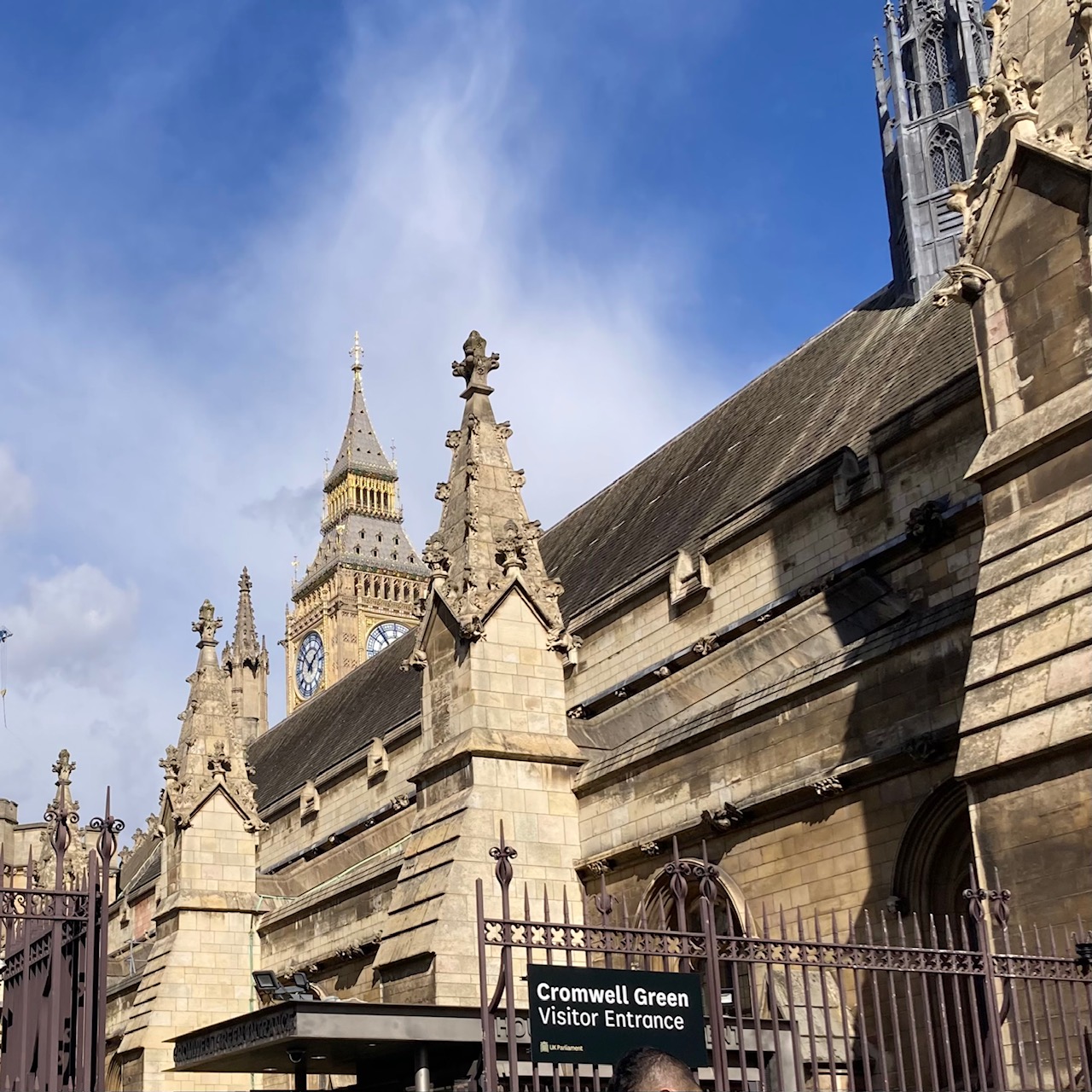 This afternoon Lord John Alderdice hosted a meeting in the House of Lords entitled Afghanistan: Towards Unity and Trust. I was pleased to attend. The speakers were from Women for Afghanistan, Independent Diplomat and similar organisations. The mood was sombre; the Taliban has not moved from its inhumane grip on the country and life for people living there is desperately hard, especially for women, every aspects of whose life, and even physical existence, is cruelly controlled.
You can read this website in the language of your choice via Google Translate.
As UNESCO tells us, Afghanistan stands out tragically as the only country on earth where secondary and higher education is strictly forbidden to girls and women. Nearly 2.2 million girls are now barred from attending school beyond the primary level due to this regressive decision. Women are being erased from journalism and, indeed, from public life altogether. This exclusion of women from public life in Afghanistan is having disastrous consequences for the country’s long-term development, where half the population already lives below the poverty line.
Whilst some at our meeting today, all clearly long-time experts in the field, spoke about plans for the future, and the hope which these plans may bring for the country as a whole, for me personally two issues immediately struck home: the ‘visa break’ on study in the UK, and the fate of undocumented Afghan refugees in Iran.
A ‘break’ on study visas
My first issue is that the UK has this very week instituted a ‘‘visa break’ for Afghan students, including post-graduates, from continuing their education in Britain:
The visa brake applies to visa applications made outside the UK (entry clearance) based on the nationality of the main applicant. It does not depend on where you live or from where you apply. The visa brake applies to … Student visa applications made outside the UK from main applicants who are nationals of Afghanistan, Cameroon, Myanmar and Sudan
One can only imagine that Shabana Mahmood, the UK Home Secretary, forgot, or neglected to consider, the impact such a ‘break’ would have on young women from Afghanistan whose hopes have been built around opportunities for education in the UK, often so they can later return to their own country to provide services for other women.
Efforts by charities to provide e.g. at-home lap-top education for Afghan girls are commendable, but they are not alone remotely enough. Britain must never in any way seem to replicate the crass, short-sighted cruelty of restricting girls’ education. The Afghan level of assault on women’s rights is specific to just one country; and it’s easy to get our British response right. More consideration by the UK of the impact of the visa break on girls and women from Afghanistan is required, urgently.
Undocumented Afghan women and children in Iran
The other issue, much harder to resolve, on which I mused is the fate of the million or more women and children who have fled to Iran from Afghanistan and are being, or have now already been, deported from their reluctant host country. As I explained in a previous post:
Around 4 million forcibly displaced people also live in Iran, mostly in cities and largely from Afghanistan, with a smaller number from Iraq. Well over 100,000 Afghan children are undocumented and have very limited access to schooling and other services. Given the intensely misogynistic conditions in Afghanistan after the Taliban takeover in 2021, it is likely that more Afghans, especially women and girls, will try to flee to Iran. The Iranian authorities announced plans to deport about 2 million undocumented Afghans, many of them educated professionals; by mid-2025 more than 700,000 had been sent back, and by autumn 2025 a further 450,000 or more had been deported.
This is by no means a problem only in regard to Afghan women – tragically there are millions more women in similar circumstances from Somalia, Sudan, Syria and many other locations (not to mention men, and those who are internally displaced and often live in constant fear in their own countries) – but that does not mitigate the simple and universal fact that finding a way to nurture and educate women is one of the very best bets for a better society anywhere.
And in saying that, we must acknowledge that a ‘better society’ for women is also a better society for men. This is not an either/or situation. Men are also of course fully entitled to health, well-being and respect. The problem is that, however vehemently a number of them – such as the Taliban – maintain that they can do very well in the mercilessly, soullessly enforced autocratic theocracy of Afghanistan (or Iran), in the long-run that crude patriarchy cannot work to best effect for a myriad reasons.
I can’t even begin to suggest meaningful answers to the gigantic, overwhelming problem of international displacements by the million, and neither I suspect can anyone else in ‘normal’ society. It’s an issue only very large organisations and governmental bodies can effectively address. Certainly, some are doing whatever they can, but the absence of much visible action on the world stage does not license us to stop asking what real solutions are available and should be implemented.
It is vitally important that we in privileged society ensure the lack of privilege of others is part of our visible, articulated politic. We need to insist that having no proper answers is not at all the same as not wanting to find them.
Most of us in the West have a voice if we want to use it. Now is the time that voice needs to be raised loud and clear for those who have no choice but to be silent.
~ ~ ~ ~ ~

 Hilary Burrage